

Best Dress Shirts for Ties That Look Right
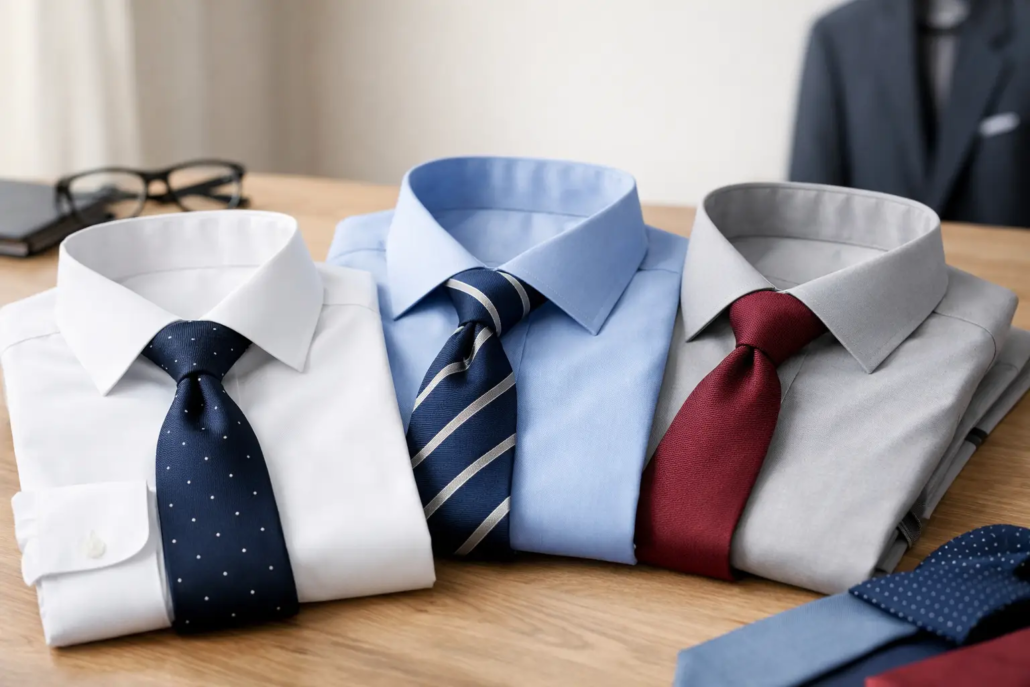
A great tie can carry an outfit, but the shirt underneath does more of the work than most men realize. If you are shopping for the best dress shirts for ties, the goal is not just finding a nice shirt. It is finding the right collar, fit, fabric, and color so your tie sits well, frames your face, and looks intentional instead of thrown together.
That matters whether you are dressing for the office, a wedding, church, a school event, or a dinner where you want to look polished without overthinking it. The right shirt makes your favorite tie easier to wear and a lot easier to pair.
What makes the best dress shirts for ties?
The short answer is balance. A shirt should support the tie, not compete with it, and it should do that without feeling stiff or fussy. Some shirts look great on a hanger but fall apart once a tie is added. The collar spreads too wide, the placket buckles, or the fabric is so thin that the whole outfit feels less refined.
The best dress shirts for ties usually get four things right. They have a collar shape that works with the knot, enough structure to hold that collar in place, a fit that stays clean under a jacket or vest, and a color or pattern that plays well with a range of tie options.
That does not mean every man needs the same shirt. A banker building weekday rotation shirts has different needs than a groom dressing six groomsmen or a dad buying for a son’s formal event. Still, the same principles apply.
Start with the collar
If there is one detail that decides whether a shirt is tie-friendly, it is the collar. A tie knot lives between the collar points, so the shape of that opening changes the look immediately.
A classic point collar is the safest choice for most men. It works with traditional ties, skinny ties, and most common knot styles. It is especially useful if you want one shirt that can move between work, weddings, and dressier weekend events.
A semi-spread collar gives a little more room and tends to look modern without becoming flashy. This is a strong option if you wear a Windsor or half-Windsor knot, or if you prefer ties with a bit more presence. It also balances broader faces well.
A full spread collar can look excellent, but it is more particular. It usually wants a larger knot and a more tailored overall outfit. On the right guy, it looks sharp. On the wrong pairing, it can make a narrow tie look lost.
Button-down collars are where context matters. They can work with ties, especially in business casual settings, but they create a more relaxed look. If the event is formal or the goal is clean traditional polish, a standard dress collar usually performs better.
Collar stiffness matters too. A soft, collapsing collar can make even a high-quality tie look less finished. If you want a tie to sit neatly all day, choose a shirt with enough structure to keep the collar points crisp.
Fit matters more than men think
A tie naturally draws the eye down the center of the shirt, which means every fit issue becomes more visible. Extra fabric bunching at the waist, a ballooning chest, or sleeves that overwhelm the cuff all show up faster when a tie is involved.
A trim fit is often the most reliable option, but trim should not mean tight. You want enough shape to keep the front of the shirt clean, especially under a vest or suit jacket, without pulling at the buttons. If the shirt strains across the chest, the tie will not sit flat. If the body is too loose, the tie can start to look like an afterthought.
Neck size deserves special attention. A collar that is too tight is uncomfortable, but a collar that is too loose creates a gap behind the knot and weakens the whole look. You should be able to button the shirt comfortably and still have the tie knot sit snugly against the collar.
For taller men, sleeve and body length often decide whether a shirt stays polished through the day. A dress shirt that keeps coming untucked can ruin a good tie combination by lunchtime. Longer proportions are worth it when you need all-day wear.
Fabric changes the look of the tie
Not every dress shirt fabric plays equally well with ties. Texture, weight, and finish all affect the final result.
Broadcloth or poplin is one of the best all-around choices. It is smooth, lightweight, and clean, which lets the tie stand out. If you own silk ties, textured woven ties, or patterned ties, a smooth shirt fabric helps keep the outfit balanced.
Twill is another strong option. It has a little more body and often wrinkles less, which makes it practical for workwear and events where you need the shirt to hold up for hours. Twill can feel slightly richer visually, especially in white and light blue.
Oxford cloth can work with ties, but it leans less formal. It is a dependable choice for business casual offices or church, especially with knit ties or less rigid styling. For black-tie-adjacent events, weddings, or sharper professional looks, a finer fabric usually feels more appropriate.
Shine is one area where restraint helps. A shirt with too much sheen can fight with the tie, especially if the tie also has a glossy finish. Affordable luxury works best when the pieces look refined, not loud.
The easiest shirt colors to pair with ties
If you want versatility, start with white. It is still the standard for a reason. A white dress shirt gives you the broadest range of tie options, from bold novelty prints to conservative solids to wedding-ready pastels. It also photographs well and feels right in nearly every dress code.
Light blue is the next best investment. It is just as useful for business and often more forgiving in everyday wear. Navy, burgundy, gold, green, and patterned ties all tend to pair easily with light blue.
After that, soft stripes and subtle checks can expand your rotation, but they require a little more thought. Patterned shirts and patterned ties can look great together if the scale is different. A fine stripe shirt with a larger-scale tie pattern often works. Similar-size patterns usually do not.
Black shirts with ties are more limited than many shoppers expect. They can create a sleek look in the right setting, but they reduce contrast and make many ties disappear visually. If your goal is maximum tie flexibility, black is not usually the first shirt to buy.
Matching shirt styles to real occasions
For office wear, it is hard to beat white and light blue shirts with point or semi-spread collars. They give you room to rotate solids, stripes, and seasonal tie colors without rebuilding your wardrobe every month.
For weddings, formality and color coordination matter more. White remains the easiest pick for groomsmen because it keeps the focus on the tie, vest, or pocket square. If the wedding palette is softer or more relaxed, pale blue or subtle texture can work well too.
For church and celebrations, there is often more room for personality. This is where men can branch into textured shirts, soft patterns, or more expressive tie pairings while still looking polished.
For school events, youth formals, and family photos, reliability matters. A shirt that fits cleanly, stays tucked, and frames the tie properly will outperform a trend-driven option every time.
Common mistakes that make ties look worse
The biggest mistake is buying a shirt because it looks good without checking how the collar works with a tie. Many men end up with collars that spread too far, curl oddly, or collapse under the knot.
The second is overcomplicating the pairing. If the shirt has a strong pattern, a textured fabric, contrast trim, and an aggressive collar shape, the tie has to fight for space. A cleaner shirt gives you far more freedom.
The third is ignoring proportion. Skinny ties look best with collars and shirt fits that match their slimmer profile. Traditional-width ties want a little more visual weight. Neither is wrong, but mixing extremes can look off.
Wrinkle resistance is another practical factor. A slightly less luxurious fabric that stays neat through the day may serve you better than a finer shirt that looks tired after an hour in the car.
How to build a shirt rotation that works with more ties
Most men do not need a massive shirt wardrobe. They need a small group of dependable shirts that make coordination easier. Start with a white point-collar shirt, a white semi-spread, and a light blue option in whichever collar shape fits your face and tie preference best.
From there, add one subtle stripe and one shirt with a bit more texture or pattern for less formal settings. That gives you enough variety to wear solid ties, stripes, plaids, novelty options, and occasion-specific colors without feeling repetitive.
If you are shopping with value in mind, versatility should lead the decision. A shirt that works with ten ties is a better buy than a shirt that only works with one perfect outfit. That is where specialty guidance matters. Retailers who understand coordination can help you avoid one-off purchases and build combinations you will actually wear.
At Tie One On, that approach has always made sense because the shirt is not separate from the rest of the look. It is part of how the tie, vest, pocket square, and accessories come together at a price that still feels practical.
The best dress shirts for ties are not necessarily the most expensive or the trendiest. They are the ones that make getting dressed easier, make your tie look sharper, and give you confidence that the whole outfit works. Start with collar, fit, and color, and the rest of your wardrobe gets a lot simpler.



Leave a Reply
Want to join the discussion?Feel free to contribute!