

Dress Shirts With Tie Combinations That Work
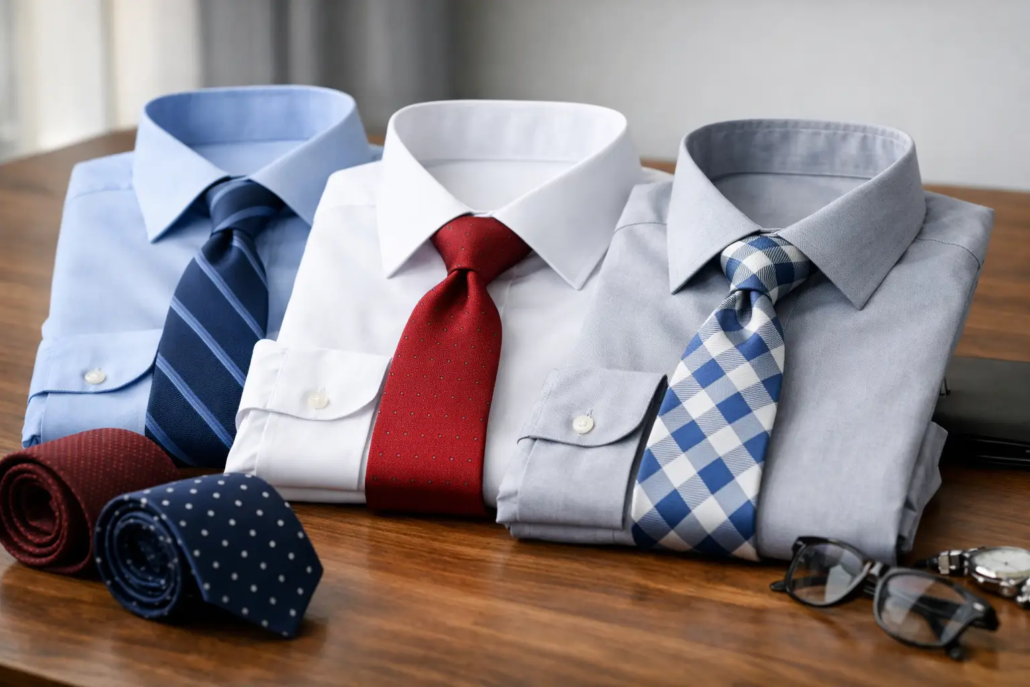
Some outfits look sharp in your head and fall apart the second the tie goes on. Usually, the problem is not the shirt or the tie by itself. It is the pairing. The best dress shirts with tie combinations feel balanced right away – the color works, the scale of the pattern makes sense, and the overall look fits the occasion.
That matters whether you are dressing for work on Monday, a wedding on Saturday, or church on Sunday morning. Most men do not need a huge wardrobe to look put together. They need a few dependable shirts, a handful of versatile ties, and a clear sense of what goes with what.
How to Build Better Dress Shirts With Tie Combinations
Start with the shirt because it sets the base for everything else. Solid shirts are the easiest to coordinate, especially in white, light blue, and pale pink. These colors give you the most freedom and work across business wear, formal events, and seasonal dressing.
Then look at contrast. A tie should stand out from the shirt without fighting it. If the shirt is light, a medium or darker tie usually gives the cleanest result. If the shirt has a pattern, the tie can still have a pattern too, but the two patterns need different scale. A narrow stripe shirt can take a larger floral or wider stripe tie. A small check shirt usually works best with a solid or lightly textured tie.
Fabric matters too. A glossy satin tie with a crisp broadcloth shirt reads more formal. A woven silk or matte tie with an Oxford or textured shirt feels easier and more relaxed. Neither is wrong. It depends on where you are going and how polished you want the outfit to look.
The Most Reliable Shirt and Tie Color Pairings
If you want combinations that rarely miss, begin with the classics. They are classics for a reason.
White dress shirt combinations
A white dress shirt is the most flexible shirt a man can own. It pairs cleanly with navy, burgundy, black, silver, forest green, and almost any patterned tie that includes one grounded color. For business wear, navy and burgundy ties are especially dependable because they look professional without feeling flat. For weddings or evening events, black, silver, or a richer jewel tone can sharpen the look.
White also gives patterned ties room to show. Paisley, plaid, stripes, and florals all read clearly against a white background. If you are buying one shirt to cover the widest range of occasions, this is the one.
Light blue dress shirt combinations
Light blue is almost as versatile as white, but it has a little more personality. It works especially well with navy, burgundy, dark green, gold, and deep plum ties. The blue base softens stronger colors and keeps the outfit approachable.
For office wear, a navy striped tie on a light blue shirt is hard to beat. For weddings or dressier events, a solid burgundy or textured silver tie adds depth without looking too busy. Light blue also pairs well with brown or tan accessories if you want a warmer overall look.
Pink dress shirt combinations
Pale pink dress shirts are more wearable than many men expect. They look excellent with navy, charcoal, burgundy, and select patterned ties that include blue or gray. The key is keeping the pink subtle. A soft blush shirt with a navy tie feels polished and modern. A brighter pink shirt with an aggressive pattern can get harder to coordinate.
If you want a little color without stepping too far outside the basics, pink is a smart middle ground.
Pattern Rules That Keep Combinations Clean
Patterns do not have to be risky, but they do need some order. The easiest rule is simple: if your shirt has a pattern, let the tie either stay solid or use a noticeably different pattern size.
A thin striped shirt and a wide striped tie can work because the spacing is different. A micro-check shirt and a solid knit or woven tie also works well because the tie adds texture without competing. Problems usually show up when both shirt and tie have patterns that are close in size and contrast. That is when the outfit starts to look accidental.
There is also a formality trade-off. Solid shirts with patterned ties are generally easier to wear in business and formal settings. Patterned shirts with patterned ties can look stylish, but they require more confidence and usually feel less formal.
Best Combinations by Occasion
The right pairing is not just about color. It is about context.
For the office
Workwear should look intentional without asking for too much attention. White or light blue shirts with navy, burgundy, or dark green ties are dependable choices. Subtle stripes and small geometric patterns are safe if your workplace leans traditional. If your office dress code is a little more relaxed, a pale pink shirt or a textured tie can add variety without overdoing it.
This is where a small rotation works best. Two or three dress shirts and a few ties in complementary colors can create a lot of combinations that look distinct but still professional.
For weddings
Weddings give you more room to coordinate with the season, venue, and wedding colors. White shirts remain the safest option, especially for formal ceremonies. They allow the tie to carry the color story, whether that is dusty blue, sage green, blush, burgundy, or champagne.
If the wedding is semi-formal or outdoors, a light blue or pale pink shirt can work beautifully with a floral, textured, or soft-toned tie. The one caution is not to outshine the wedding party if you are a guest. Rich color is fine. Full attention-grabbing novelty is usually not.
For church and celebrations
For church, family photos, graduations, and special dinners, you can lean a little more expressive while staying polished. Light blue shirts with patterned ties, white shirts with seasonal colors, and pink shirts with navy or gray ties all fit nicely here. These settings often allow a bit more personality, especially in spring and summer.
This is also a good place for tie and pocket square coordination, but not exact matching. A pocket square that picks up one color from the tie usually looks better than a perfectly identical set.
Seasonal Color Pairing Makes a Difference
Some shirt and tie pairings feel right because they match the season naturally. Spring and summer tend to favor lighter shirts and fresher tie colors – sky blue, blush, lavender, sage, light gold. Fall and winter usually call for deeper combinations like white with burgundy, light blue with forest green, or pink with charcoal.
That does not mean strict rules. A navy tie works year-round. A white shirt works in every month. But seasonal color helps an outfit feel more current, especially for weddings and events where photos matter.
Fit and Proportion Matter as Much as Color
A great combination can still miss if the proportions are off. A skinny tie with a wide spread collar can look undersized. A traditional width tie with a very narrow modern collar can feel too heavy. The shirt, collar, and tie width should support one another.
Length matters too. The tip of the tie should generally hit around the belt line. Anything much shorter or longer makes even a good pairing look unfinished. If you are taller, broader, or shopping for a specific fit, having access to traditional, skinny, and extra-long options makes coordination much easier.
A Simple Formula When You Need to Get Dressed Fast
If you are standing in front of the closet and do not want to overthink it, use this formula: choose a light solid shirt, add a darker tie, and make sure only one piece carries the stronger pattern. That approach works for most business, church, and event dressing.
If you want a little more character, swap in a pale pink or light blue shirt. If you want a dressier finish, choose a richer fabric or deeper color tie. If the event is formal, simplify. White shirt, strong tie choice, clean accessories.
The good news is you do not need dozens of options to get this right. A few well-chosen dress shirts with tie combinations can cover almost everything on your calendar, from everyday meetings to major milestones. When the pairing is right, the whole outfit feels easier – and that is usually the point.



Leave a Reply
Want to join the discussion?Feel free to contribute!