

How to Style a Knit Tie for Any Occasion
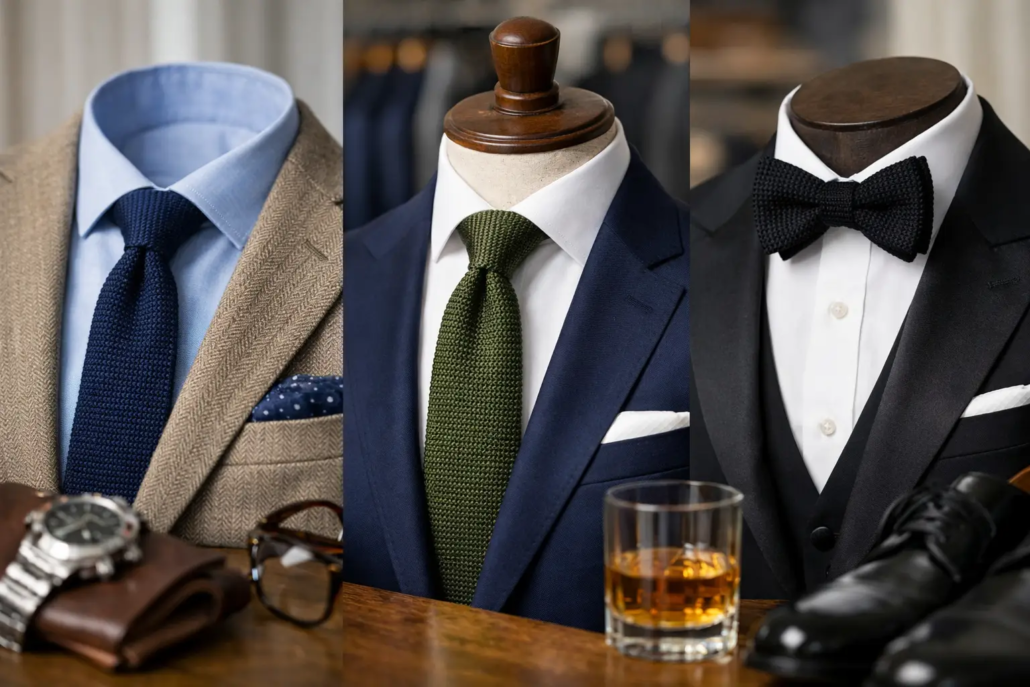
A knit tie earns its place in a sharp wardrobe because it does something a smooth silk tie cannot: it adds texture without making the outfit feel busy. The square-cut end, visible weave, and slightly relaxed character make it a natural choice for workdays, dinners, church, weddings with a less formal dress code, and any event where you want to look polished without looking overly rehearsed. Knowing how to style a knit tie comes down to matching that texture to the rest of your outfit.
Start With the Right Level of Formality
A knit tie is dressy, but it is not usually your most formal tie. Think of it as the sweet spot between a traditional business tie and an open-collar shirt. It looks right with a suit, especially in wool or a textured fabric, but it is particularly at home with a blazer, sport coat, or vest.
For a black-tie wedding, a major board presentation, or a highly traditional formal event, a classic silk necktie is generally the safer choice. Knit ties have a more relaxed personality, even in deep, formal colors. For a business-casual office, a daytime wedding, a date night, or Sunday best, that personality is exactly the point.
The season can help guide your choice. Lightweight silk knits and crisp cotton shirts work well in spring and summer. In fall and winter, pair a knit tie with wool trousers, an Oxford shirt, flannel, tweed, corduroy, or a cardigan. The texture starts to feel intentional when the rest of the outfit has some substance to it.
How to Style a Knit Tie With a Suit
The easiest way to wear a knit tie with a suit is to keep the suit clean and tailored. Navy, charcoal, medium gray, and brown suits are dependable starting points because they give the tie room to bring in color and texture.
A navy knit tie with a light blue or white dress shirt is one of the most useful combinations a man can own. Wear it with a medium-gray suit for a professional, put-together look that works in most offices and celebrations. A burgundy or wine knit tie brings warmth to a navy suit, while a dark green knit tie feels refined with gray, brown, or navy tailoring.
Pay attention to the fabric of the suit. A smooth, lightweight suit can work with a knit tie, but a little contrast helps. A navy knit against a sleek worsted wool suit looks crisp because the tie provides the texture. With a heavily textured tweed suit, choose a finer knit tie in a solid color so the outfit does not become too visually crowded.
The tie should generally be close to the width of your jacket lapels. A narrow knit tie can look sharp with a modern, slimmer suit, while a standard-width knit is more balanced with traditional lapels and broader shoulders. If the proportions are off, even a great color combination can feel unfinished.
Pair It With Blazers and Sport Coats
This is where knit ties really shine. A blazer and trousers let the tie feel relaxed yet purposeful, making the combination ideal for business casual settings, dinner reservations, graduation ceremonies, and smart weekend events.
Try a navy blazer, white Oxford shirt, gray trousers, and a burgundy knit tie. It is classic, easy to wear, and far more interesting than a plain solid tie. For a warmer palette, pair a brown or olive sport coat with a light blue shirt and a navy, rust, or forest-green knit tie.
Pattern mixing is welcome, but it needs a clear order. If your jacket has a noticeable check, herringbone, or windowpane pattern, start with a solid knit tie. If your jacket is solid, a subtle striped or small-pattern shirt can work well with a solid knit. Let one item do most of the visual work, then use the tie as a supporting detail.
A knit tie also looks excellent with a cardigan or a vest. Keep the shirt collar neat and the layers close-fitting. A bulky sweater under a bulky vest can hide the tie and make the chest look crowded. The goal is texture with clean lines, not extra fabric for its own sake.
Choose Shirts That Support the Texture
A white dress shirt is always a reliable partner, but knit ties look especially good against light blue, pale gray, soft pink, and subtle striped shirts. Oxford cloth button-down shirts are a natural match because their slightly textured fabric speaks the same style language as the tie.
For a more professional look, wear the knit tie with a spread or semi-spread collar. The collar frames the knot cleanly and works well under a suit jacket. A button-down collar creates a more relaxed, American classic look and is especially good with blazers, chinos, and loafers.
Avoid collars that are too small or flimsy. Knit ties have visual weight, and a weak collar can get lost beneath the knot. Make sure the collar points sit flat and the top button closes comfortably. If the shirt is pulling at the neck, no tie will look its best.
Pick Colors That Make Getting Dressed Easier
Build around versatile colors first. Navy, burgundy, charcoal, dark green, chocolate brown, and black are smart choices because they coordinate with a large share of a professional wardrobe. A navy knit tie is often the first one worth adding because it works with gray suits, tan chinos, brown jackets, and nearly any light-colored shirt.
Once you have the basics, use knit ties to introduce character. Rust, mustard, dusty blue, plum, and rich teal can add personality without crossing into novelty territory. They are especially effective for fall weddings, holiday gatherings, and occasions where you want a little more color than your daily office uniform.
When choosing a tie color, look at both the shirt and jacket. The tie should stand apart from the shirt enough to be visible. A dark navy tie on a dark navy shirt may technically match, but it will not create much contrast. On the other hand, a bright tie, bold shirt, and patterned jacket all competing at once can make the outfit feel unplanned.
Use a Simple Knot and Embrace the Flat End
The four-in-hand knot is usually the best choice for a knit tie. It is compact, slightly asymmetrical, and fits the tie’s relaxed character. A half-Windsor can work when you have a wider collar or want a more balanced triangle, but avoid a large, thick knot. Knit fabric has enough texture on its own and does not need extra bulk at the neck.
Unlike most traditional neckties, many knit ties finish with a straight, square end rather than a pointed blade. That is a signature feature, not a mistake. Position the front end around the middle of your belt buckle, just as you would with a conventional tie. The back blade may be shorter, and that is perfectly normal.
Because knit ties can stretch over time, do not pull the knot excessively tight. Untie it after wearing instead of leaving it knotted in the closet. A little care helps the tie retain its shape and keeps the knit looking clean.
Finish the Outfit Without Overdoing It
Accessories should sharpen the look, not compete with it. A simple tie bar can be useful, especially if you are moving around at work or attending an outdoor event. Place it between the third and fourth shirt buttons, and make sure it is narrower than the tie itself. With a knit tie, a slim metal tie bar in silver, gold, or gunmetal usually looks better than something oversized or heavily decorated.
Pocket squares are optional. If you add one, choose a solid white linen square or a subtle pattern that does not exactly match the tie. A matching tie-and-pocket-square set can be convenient for weddings and coordinated events, but the best-looking combinations still have some contrast in pattern or texture.
Leather shoes and belt should work together. Brown shoes are excellent with navy, gray, tan, and olive outfits. Black shoes bring a more formal edge to charcoal and black-based looks. For a casual blazer combination, clean leather loafers, derbies, or polished boots can all make sense depending on the season.
A Few Reliable Knit Tie Outfits
For the office, wear a navy knit tie with a light blue shirt, gray suit, brown belt, and brown shoes. For a relaxed wedding or celebration, choose a burgundy knit tie, white shirt, navy blazer, gray trousers, and a simple white pocket square. For fall, pair a forest-green knit tie with a blue Oxford shirt, brown sport coat, dark chinos, and brown boots.
If you are dressing a younger man for a school event, church, or family photo, the same rules apply: keep the shirt light, let the tie contrast with it, and avoid piling on too many patterns. A knit tie can give boys’ formalwear a polished look that still feels comfortable and age-appropriate.
A knit tie does not need a complicated outfit to make an impression. Start with a well-fitting shirt, choose one strong color combination, and let the texture handle the rest. When you are ready to add one to your rotation, Tie One On makes it easy to find a color and style that fits the occasion without stretching the budget.



Leave a Reply
Want to join the discussion?Feel free to contribute!