

Boys Formalwear Sizing Guide for a Sharp Fit
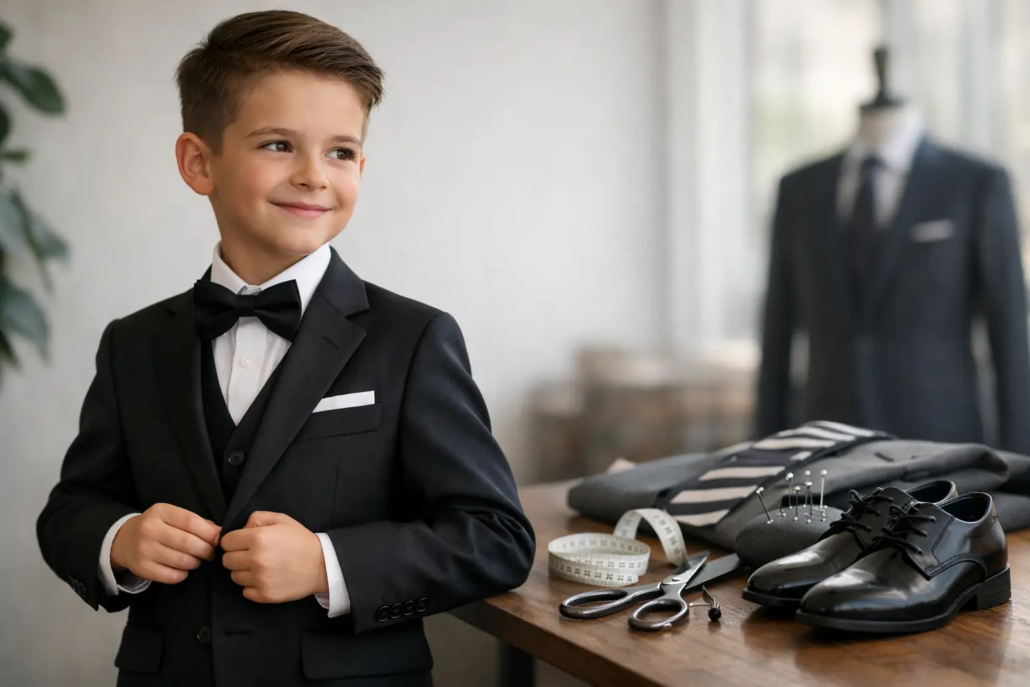
A great formal outfit can fall apart over one small detail: a collar that pinches, a vest that rides up, or a tie that hangs below the belt. This boys formalwear sizing guide helps parents get the fit right before a wedding, church service, school concert, graduation, family photos, or any event where he needs to look polished without feeling restricted.
Boys grow quickly, and formalwear sizes can vary from one brand to another. That is why the number on a tag should be a starting point, not the final answer. A few quick measurements and a clear idea of how each piece should sit will make shopping much easier.
Start With Measurements, Not His Usual Size
Before choosing a dress shirt, vest, tie, or belt, take a few measurements with a soft tape measure. Have him stand naturally in a lightweight shirt or T-shirt. Pull the tape snug, but never tight enough to compress the body.
For most boys’ formalwear, the measurements that matter most are chest, neck, waist, sleeve length, inseam, and height. Chest is measured around the fullest part of the chest, under the arms. For the waist, measure where his pants will actually sit, which is often slightly below his natural waistline. Height helps when choosing between youth size ranges, especially for slim or tall boys.
If he falls between sizes, consider the occasion and the garment. A dress shirt or vest needs enough room for movement and a meal, so sizing up is often the safer choice. A tie or bow tie can usually be adjusted for a more precise fit. Avoid buying a significantly oversized shirt simply to give him room to grow. Extra fabric at the neck and shoulders tends to look sloppy in photos.
Keep a Simple Fit Record
Write down his measurements before you shop, then update them before major events. A boy who fit a size 10 last spring may need a size 12 by fall. Keeping current measurements takes the guesswork out of last-minute formalwear shopping, particularly when coordinating siblings or a wedding party.
How a Boys’ Dress Shirt Should Fit
The dress shirt establishes the fit for the rest of the outfit. If the collar, shoulder seams, and sleeves are right, adding a tie, vest, or suspenders becomes much simpler.
At the collar, you should be able to fit one finger comfortably between the neck and the buttoned collar. If it is tight before the tie goes on, it will be uncomfortable for the entire event. If there is a large visible gap, the collar will collapse around the knot and lose its clean shape.
Shoulder seams should end near the edge of his shoulders. Seams that sit far down the upper arm mean the shirt is too big. Seams that pull upward or create wrinkles across the chest usually mean it is too small.
Sleeves should reach the wrist bone when his arms are relaxed at his sides. When he wears a suit jacket, about a quarter to half an inch of shirt cuff should show. Too much cuff can make the jacket look short, while no cuff at all can make the shirt appear undersized.
The shirt body should be tidy but not tight. He should be able to sit, raise his arms, and take a full breath without buttons pulling across the chest or stomach. For a slim boy, a fitted or slim cut can prevent extra fabric from bunching at the waist. For a broader build, a regular cut usually offers a more comfortable, natural drape.
Vest Sizing: Polished, Not Restrictive
A vest should look tailored while allowing him to move freely. Measure the chest first, then compare it to the size chart for the specific vest. Do not rely on his dress shirt size alone, since shirt and vest sizing often use different measurements.
The vest should lie flat across the chest and torso when buttoned. If the buttons pull or create horizontal lines, move up a size. If the armholes gape and the fabric hangs away from the body, it is likely too large. The bottom of the vest should cover the waistband of his pants, with no dress shirt showing between the two when he stands normally.
Most formal vests have an adjustable back strap. Use it to refine the fit after choosing the correct chest size. The strap is helpful for small adjustments, but it cannot make an oversized vest look tailored. If the front is loose, choose a smaller size rather than tightening the strap to its limit.
For a wedding or long event, comfort matters as much as appearance. A vest that looks perfect for two minutes but feels tight after dinner is not the right fit.
Boys Formalwear Sizing Guide for Ties and Bow Ties
Ties are more flexible than shirts and vests, but length and proportion still matter. A standard boys’ necktie should reach the waistband or the top of the belt when tied. It should not stop at the middle of the shirt, and it should not extend below the belt line.
Youth ties are usually made with a shorter length and narrower proportions than adult ties. That makes them a better choice for younger boys and smaller frames. Older or taller teens may wear an adult tie, but check the finished length after tying the knot. A tie can be the right color and pattern but still look off if it is too long.
The blade width should suit the shirt collar, vest, and jacket. Traditional-width ties offer a classic look for weddings, church, and formal family events. Skinny ties can work well for a modern, streamlined outfit, especially on older boys. The key is balance: a very narrow tie paired with a broad collar can look undersized.
Bow ties are often the easiest option for younger boys because adjustable bands provide room to fine-tune the neck fit. Measure around the base of the neck where a shirt collar sits, then confirm that the bow tie’s adjustable range includes that measurement. The bow itself should generally be no wider than the outer edges of his collar.
Self-tie bow ties offer classic charm and are a great choice for boys who enjoy dressing up or are old enough to learn the knot. Pre-tied bow ties are faster, dependable, and especially practical for busy event mornings. Neither choice is more formal by default – the right option is the one he can wear confidently and comfortably.
Match Pants, Belts, and Suspenders Carefully
Formal pants should sit securely at the waist without sagging or digging in. Measure the waist where the pants will be worn, then account for the style of the waistband. Adjustable-waist pants can be helpful for boys between sizes, but they should still sit smooth and flat across the front.
Pant hems should lightly touch the top of the shoe or have a slight break at the front. Pants that bunch heavily at the ankle are too long, while pants that expose a large section of sock when he stands are too short. If alterations are available, pant length is one of the easiest adjustments to make and one of the most noticeable.
A belt should have enough length to fasten comfortably through the middle hole, not the very first or last hole. Match the belt to the shoes when possible: black with black, brown with brown. For a more playful or vintage-inspired look, suspenders can replace a belt. If wearing suspenders, make sure the pants fit at the waist on their own. Suspenders should support the look, not rescue pants that are too large.
Check the Full Outfit Before Event Day
Do a complete try-on at least a few days before the event. Have him wear the dress shirt, pants, vest or jacket, tie or bow tie, belt or suspenders, socks, and shoes together. This is when small fit problems become obvious: a tie that is too long, a collar that becomes tight when buttoned, or pants that need hemming.
Ask him to sit, bend down, raise both arms, and walk around. Formalwear should look sharp in a standing photo, but it also needs to survive a ceremony, dinner, dancing, and a long car ride. Bring a backup shirt if the event includes food, young children, or a full day away from home.
Tie One On makes it easier to coordinate the finishing details, from boys’ ties and bow ties to vests, suspenders, belts, and pocket squares. Start with a comfortable shirt and the correct measurements, then build the rest of the look around a fit he can forget about once the event begins.
The best formal outfit is not the one that feels overly grown-up. It is the one that lets him stand a little taller, smile easily, and enjoy being part of the occasion.


Leave a Reply
Want to join the discussion?Feel free to contribute!