

Custom Branded Neckties That Look the Part
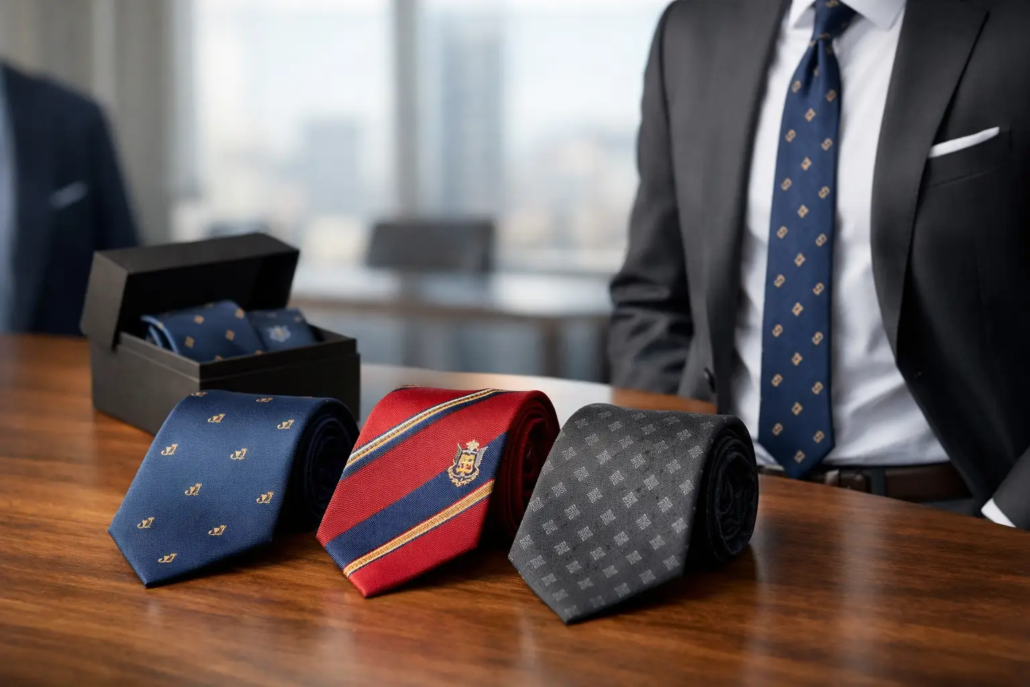
A logo on a tie can do more than identify a company, school, or group. It can pull a room together. Custom branded neckties give employees, members, and event teams a polished, coordinated look without putting everyone in the same outfit. When the design is handled well, the tie feels like a quality accessory first and a brand statement second.
That balance matters. A tie that is too loud may spend more time in a drawer than around a neck. A tie that is too subtle can miss the reason it was created. The best custom pieces match the people wearing them, the setting they work in, and the personality of the organization behind them.
Start With How the Tie Will Be Worn
Before choosing a fabric swatch or placing a bulk order, think about the real-life use of the tie. A financial office, a wedding venue, a church leadership group, and a high school performing arts program may all want branded neckwear, but they need very different things.
For daily professional use, a classic 3.25-inch to 3.5-inch necktie in a restrained pattern usually has the longest life. Navy, charcoal, burgundy, forest green, and medium blue are dependable foundations because they coordinate easily with white, light blue, and subtle patterned dress shirts. A small repeating logo or a brand-inspired geometric pattern gives the tie identity while keeping it appropriate for meetings, client visits, and conferences.
For a one-time celebration, fundraiser, or company anniversary, there is more room for energy. A brighter color palette, a commemorative date, or a more visible logo can make the piece feel special. Just be honest about the goal. If you want recipients to wear it for years, lead with style rather than treating the tie like a souvenir banner.
Fit also affects whether people enjoy wearing the finished product. Traditional-width ties remain the safest option for a broad group. Skinny ties can look sharp for younger teams or modern events, but they are more fashion-specific. Extra-long ties are a thoughtful choice when serving taller wearers or anyone who needs more length to make a proper knot. If the group includes boys, matching youth neckties or bow ties can create a coordinated family or team look without forcing an adult tie to fit.
Designing Custom Branded Neckties With Staying Power
The strongest branded tie designs are recognizable from a comfortable distance, not overwhelming from across the room. That usually means working with one primary brand color, one supporting color, and a neutral accent rather than trying to include every shade from a full logo.
Let the Pattern Carry the Brand
A repeating pattern is often more wearable than a large logo placed in the center of the blade. Consider a small emblem set on a diagonal, a simplified icon tucked into a dot pattern, or a stripe arrangement built from brand colors. These approaches read as intentional menswear design while still giving the organization a clear signature style.
Large, high-contrast logos have their place. They can work especially well for spirit wear, promotional gifts, hospitality teams, and groups that want immediate visual recognition. The trade-off is versatility. A prominent logo may be perfect at a trade show and less likely to be chosen for a standard workday.
Scale is just as important as color. Small motifs look refined when repeated consistently, but details can disappear if they are too tiny or overly intricate. Clean artwork with strong lines generally translates better to fabric than a complicated illustration. If a logo has fine text, consider using a simplified mark or monogram instead of trying to reproduce every detail.
Choose Color for the Room, Not Just the Brand Book
Brand colors look different on fabric than they do on a screen, business card, or wall sign. A vivid yellow that works beautifully in a logo may feel harsh when it covers an entire tie. In that case, it may work better as a small accent against navy or black. Likewise, a very dark logo can disappear into a dark ground color unless it is given enough contrast.
Ask what shirts and suits the recipients are most likely to wear. If most employees wear white and blue dress shirts with navy or gray suits, build a design that complements those basics. A tie should make getting dressed easier, not require a whole new wardrobe.
Fabric, Finish, and Construction Matter
A custom tie represents the organization every time it is worn, so the feel of the tie matters as much as the artwork. Silk offers a classic formal look with natural depth and a refined hand. It is an excellent choice for executive gifts, weddings, premium client appreciation, and organizations that want a dressier presentation.
Polyester and microfiber options can provide reliable color, durability, and accessible pricing, especially for larger group orders. They are practical for hospitality staff, school programs, volunteer groups, and events where the ties will see frequent use. The right choice depends on budget, quantity, and whether the piece is meant to be an everyday uniform accessory or a keepsake.
Woven designs and printed designs create different results. A woven pattern has texture and tends to feel more integrated into the fabric, making it a strong fit for subtle repeating logos and classic patterns. Printing can allow greater detail, more complex artwork, and a wider range of color effects. Neither is automatically better. A simple emblem may look outstanding woven, while a multicolor illustration may need printing to remain clear.
Do not overlook the finishing details. A well-proportioned blade, a smooth lining, a balanced interlining, and clean stitching all help the tie knot well and hang properly. Those details are what make a branded tie feel like a gift people want to wear rather than an obligation.
Plan Your Order Around Real Needs
Ordering custom ties is easier when the practical decisions are made early. Start with the number of people who will receive them, then add a reasonable buffer for new hires, replacement needs, event guests, or future gifting. Ordering exactly to the headcount can create a problem when the final attendee list changes.
Quantity can also affect the design approach. A smaller executive order may justify a premium silk construction and more elaborate packaging. A larger order for a sales team or school organization may benefit from a versatile polyester design that keeps the cost per tie manageable. Affordable luxury is not always about choosing the most expensive material. It is about investing in details that make sense for the occasion and the people wearing the tie.
Give the project enough lead time for artwork review, samples or approvals when available, production, and shipping. Custom work is not the place to make a final decision the week before an event. Earlier planning gives you more room to adjust the pattern scale, color balance, or tie style before the full run is made.
It also helps to assign one person to collect feedback. A design committee with too many voices can turn a clean concept into a crowded compromise. Decide who has final approval, establish the must-have brand elements, and leave room for the tie to look like a tie.
Build a Coordinated Look Beyond the Neckwear
A branded necktie can stand on its own, but it becomes even more useful when it fits into a complete dress plan. Pair it with crisp white or light blue shirts for the most flexible uniform combination. For formal events, matching pocket squares can add a finished touch without making the look overly matched. Tie bars, cuff links, suspenders, and vests can be reserved for leadership, wedding parties, or especially formal occasions.
For teams that include women or people who do not wear neckties, consider coordinating accessories in the same color story rather than insisting on one item for everyone. A matching scarf, pocket square, bow tie, or lapel accessory can keep the group visually connected while allowing individual comfort and style.
At Tie One On, custom options can be paired with the kind of formalwear guidance that keeps the whole look practical, from classic neckties and bow ties to shirts and finishing accessories. That matters when you are coordinating more than a single product and want the final presentation to feel intentional.
A well-designed branded tie should make the wearer feel prepared, not costumed. Choose a color they can reach for, a pattern they can wear with confidence, and a construction that holds up to the occasions ahead. When the tie earns a place in the regular rotation, your brand stays visible for all the right reasons.


Leave a Reply
Want to join the discussion?Feel free to contribute!