

Men’s Formal Accessories That Finish a Look
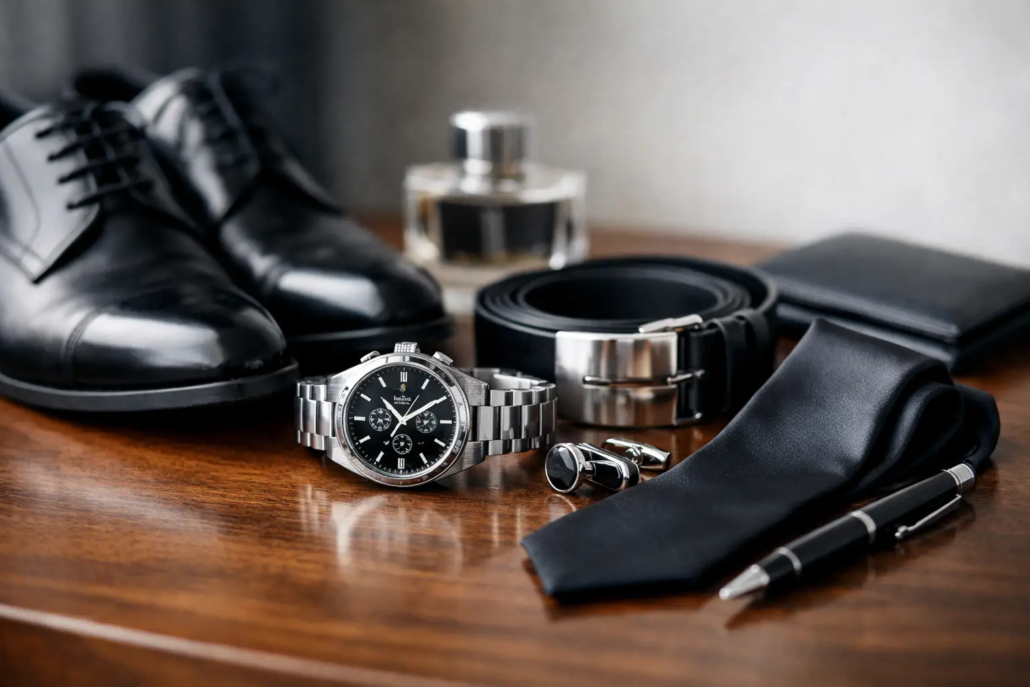
A navy suit and white dress shirt are a reliable start, but they are not the whole outfit. Men’s formal accessories are what turn dependable basics into a look that feels intentional, whether you are heading to the office, standing in a wedding party, attending church, or dressing up for a school dance.
The goal is not to wear every accessory at once. The best formal looks use a few well-chosen finishing pieces that work together in color, scale, and level of formality. A great tie, polished belt, and simple tie bar can do more for your appearance than a closet full of complicated options.
Start With the Tie
For most dressy occasions, the tie sets the direction for everything else. It is the first accessory people notice against a dress shirt, and it gives you an easy way to bring in color, texture, or personality.
A traditional-width necktie is the most flexible choice for professional settings, weddings, religious services, and formal celebrations. It has enough presence to balance a classic suit without looking dated. Skinny ties create a cleaner, more modern profile and pair especially well with slimmer lapels and fitted shirts. The key is proportion: a very narrow tie can look out of place with a broad-shouldered suit or wide lapels.
Color matters just as much as width. Navy, burgundy, charcoal, and deep green are dependable options that work across seasons and events. A subtle stripe, small geometric pattern, or textured weave adds interest without making the outfit feel busy. For a wedding, school event, or holiday party, you may have more room for brighter colors and bolder prints, especially when the rest of the outfit stays classic.
Fit is practical, not optional. The tip of a necktie should land close to the belt buckle, and taller men often need an extra-long tie to get that proportion right. A tie that ends too high can make even a nice suit look unfinished.
Bow Ties, Bolos, and Alternative Styles
A bow tie is a strong choice when the occasion calls for extra personality or a more formal finish. Black bow ties belong with tuxedos, while patterned and colored bow ties are right at home for weddings, parties, family photos, and dressy events. A self-tie bow tie has traditional appeal, but a pre-tied style is a smart, polished option when time is short or you simply want a consistent shape.
Bolo ties offer a distinctly Western take on formalwear. They can look sharp with a crisp dress shirt, sport coat, or vest, particularly for events where classic cowboy style fits the setting. Like any statement accessory, a bolo works best when it is the focal point rather than one of several competing details.
Build Around Your Shirt and Suit
The easiest way to coordinate mens formal accessories is to begin with the shirt and suit, then add one piece at a time. A white or light blue shirt provides the most flexibility. With either one, nearly any tie color can work if it complements the suit.
For a navy suit, try a burgundy tie, a medium blue patterned tie, or a soft pink tie for spring and summer events. A gray suit gives you room for navy, plum, forest green, and black. Black suits call for a little more restraint: black, silver, deep red, or dark blue accessories usually look more polished than loud patterns.
Avoid trying to match every item exactly. Your tie, pocket square, socks, and boutonniere do not need to be the same shade. In fact, exact matching can make an outfit feel more like a uniform than personal style. Instead, choose colors that relate to each other. A navy tie and pocket square with small burgundy details, for example, creates a coordinated look without looking overly planned.
Use Pocket Squares With Restraint
A pocket square adds dimension to a jacket, but it should support the tie rather than copy it. If you are wearing a patterned tie, choose a solid pocket square that picks up one color from the pattern. If your tie is solid, a lightly patterned pocket square can add contrast.
White is the most versatile pocket square color and is especially useful for interviews, business meetings, formal dinners, and weddings. It looks clean with nearly every suit and does not compete with other accessories. A simple flat fold is appropriate for conservative settings, while a soft puff fold feels more relaxed and celebratory.
A pocket square is optional with a sport coat or suit, but when the event is formal, it can be the detail that makes the jacket look complete. Skip it only when you are already wearing a bold tie, patterned shirt, and statement cuff links. There is such a thing as too much coordination.
Choose Metal Details That Belong Together
Cuff links, tie bars, watches, and belt buckles may be small, but mismatched metals are easy to spot. The simplest approach is to choose one main metal tone. If your watch, belt buckle, and wedding band are silver-toned, silver cuff links and a silver tie bar are the natural choice. Gold-toned details can look equally sharp, particularly with warmer colors such as brown, tan, olive, and burgundy.
Cuff links are needed only when your shirt has French cuffs. They are an excellent choice for black-tie events, weddings, formal dinners, and milestone celebrations, but they do not need to be flashy. Classic knots, bars, or simple engraved styles have staying power and work with more than one outfit.
A tie bar should sit between the third and fourth buttons of your dress shirt. It should be narrower than the tie itself and clip the tie to the shirt placket, not just to the tie. Its job is partly style and partly function: it keeps your tie from swinging into your lunch, your desk, or the wind.
Do Not Forget Belts, Suspenders, and Socks
A leather belt should generally match your shoes. Black shoes call for a black belt, while brown shoes need a brown belt in a similar shade. This single rule handles a large share of formalwear coordination and instantly makes an outfit feel more considered.
Suspenders are a practical alternative to a belt, especially with a vest or tuxedo. Do not wear both together. If your trousers have belt loops, you can still wear suspenders, but the look is cleanest with trousers designed for them. Keep the color classic for business and formal occasions, or use a patterned pair when the event is more festive.
Dress socks are where a little personality can go a long way. Solid navy, black, gray, and dark brown are safe choices. A subtle stripe, dot, or seasonal pattern can be fun at weddings and celebrations, as long as it does not clash with the tie. The best dress socks are long enough to keep skin from showing when you sit down.
Match the Occasion, Not Just the Outfit
What works for a Saturday wedding may not work for a job interview. For professional settings, lean toward classic ties, minimal patterns, a simple belt, and understated metal accessories. For weddings, coordinate with the wedding colors without feeling required to match the entire bridal party exactly. For black-tie events, keep it traditional: a tuxedo, formal shirt, black bow tie, and polished shoes are hard to improve upon.
For gifts, start with accessories a man can wear repeatedly. A versatile tie and pocket square set, quality cuff links, a tie bar, or a refined pair of suspenders gives him options beyond one event. If you are buying for a boy or coordinating a group, matching colors and easy-to-wear styles can simplify a busy day without sacrificing the finished look.
Tie One On has built its selection around those real-world needs, from classic professional staples to wedding-ready color choices and accessories with more personality. The right piece is not always the most expensive one. It is the one that fits the occasion, works with what you already own, and makes getting dressed feel a little more certain.
Before you head out, take one last look in the mirror from a few steps back. If the tie is the right length, the metals agree, the shoes and belt match, and one accessory adds a thoughtful finishing touch, you are ready to make the impression you intended.


Leave a Reply
Want to join the discussion?Feel free to contribute!