

Men’s Silk Tie Review for Work and Weddings
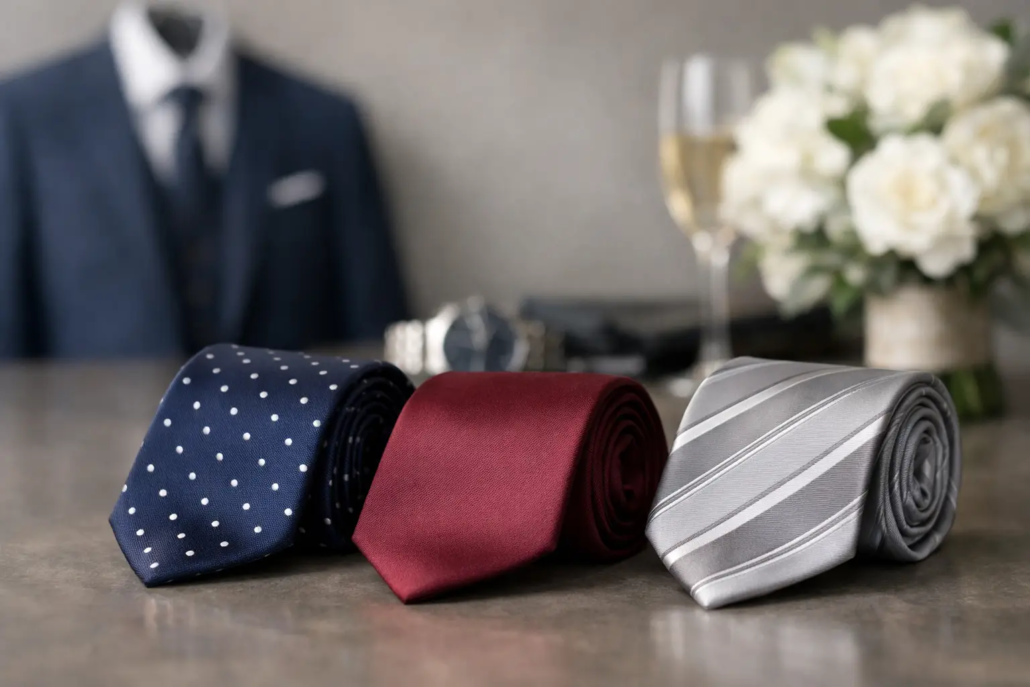
A tie can look excellent on the rack and disappoint the moment you knot it. That is why a useful mens silk tie review starts with more than color or pattern. The real test is how the fabric catches the light, how the tie hangs against a dress shirt, whether the knot holds its shape, and how confidently it finishes the rest of your outfit.
For work, weddings, church, celebrations, and gift giving, silk remains the standard for a polished necktie. It has a natural richness that polyester can imitate but rarely match. Still, not every silk tie is the right buy for every man or occasion. Width, weave, construction, pattern scale, and care all affect whether a tie becomes a dependable favorite or spends the year in the back of a drawer.
Men’s Silk Tie Review: What Stands Out
The first thing most people notice about a silk tie is its sheen. Quality silk has depth rather than a flat, plastic-looking shine. Under indoor lighting, it should reflect light softly and make solid colors look fuller. Navy appears deeper, burgundy looks richer, and a subtle silver or champagne tie takes on an elevated finish that works especially well for formal events.
That visual appeal comes with useful versatility. A silk tie can sharpen a white shirt and charcoal suit for an interview, bring texture to a navy blazer for Sunday service, or coordinate a groom, groomsmen, and family members without making everyone look identical. The same basic tie style can feel conservative, celebratory, or modern depending on its color and pattern.
Silk also knots beautifully. A well-made tie forms a clean Four-in-Hand, Half Windsor, or Windsor knot without fighting the wearer. It should create a natural dimple beneath the knot and fall straight down the center of the shirt. That small dimple is not mandatory, but it is one of the details that gives a silk tie its familiar, finished look.
Fabric Quality Is More Than a Shine Test
A silk tie does not need to be flashy to feel special. In fact, the best options often use texture to add interest without overpowering the suit. Grenadine-style weaves, small geometric patterns, stripes, and subtle jacquard designs give an outfit dimension from close range while remaining appropriate across many settings.
When comparing options, look at the material description carefully. A tie labeled 100% silk generally offers the natural hand feel, drape, and light reflection shoppers expect. Silk blends can be practical and may lower the price, but they often behave differently in a knot. A blend is not automatically a poor choice, especially for a budget-minded wedding party or a tie that will see occasional wear. It simply should not be judged by the same expectations as pure silk.
Run your fingers over the front blade if you can. The fabric should feel smooth or intentionally textured, not thin, stiff, or overly slick. Very lightweight silk can look elegant but may wrinkle more easily. A heavier weave often holds a substantial knot and wears well through a long day. The right choice depends on the look you want: crisp and formal, textured and classic, or sleek and modern.
Construction Determines How It Wears
The silk is only the outer layer. Inside the tie, an interlining gives it shape and helps it recover after being knotted. Good construction makes the tie drape naturally rather than twist, bunch, or curl at the edges. A tie that looks balanced lying flat is more likely to look balanced once it is tied.
Check that the edges are even and that the tip comes to a clean point. The keeper loop on the back should be secure enough to hold the narrow end in place, and the seam should run straight down the back. These are simple details, but they separate a tie that photographs well from one that holds up through regular wear.
A quality silk tie should not feel rigid like cardboard. On the other hand, a tie with too little structure can collapse into a messy knot. The sweet spot is a tie with enough body to create shape and enough flexibility to sit comfortably at the collar.
Choosing the Right Width and Length
Even a great silk tie will look off if its proportions do not suit the wearer or suit. Traditional ties around 3 to 3.25 inches wide remain the most versatile choice for professional settings, weddings, and formal gatherings. They pair naturally with standard lapels and provide a classic silhouette that will not feel dated next season.
Skinny silk ties can be a sharp option with a slimmer-cut suit or a more fashion-forward outfit. Their trade-off is versatility. A very narrow tie can look undersized next to broad lapels, and it may not be the best choice for a traditional black-tie-adjacent wedding or conservative business event.
Length matters just as much. When tied, the tip of the wide blade should generally reach the belt buckle area. Taller men, broad-chested men, and men who prefer larger knots may need an extra-long tie for the correct finish. Trying to force a standard-length tie into a full Windsor can leave the narrow blade too short and make the entire outfit look unbalanced.
For customers building outfits for a group, this is where assortment matters. A coordinated color in traditional, skinny, and extra-long lengths makes it easier to give each person a proper fit without sacrificing the wedding palette or event theme.
Color and Pattern Should Serve the Occasion
A silk tie earns its place in a wardrobe when it works with more than one shirt. Start with dependable colors: navy, burgundy, black, charcoal, deep green, and medium blue. These shades coordinate easily with white, light blue, and subtle patterned dress shirts while still giving the outfit personality.
For the office, small patterns and restrained stripes are usually the safest choices. They bring visual interest without distracting from a presentation, meeting, or interview. For weddings, you have more room to use floral patterns, richer jewel tones, lighter seasonal colors, and coordinated pocket squares. A solid silk tie is especially useful when the shirt or suit already has texture or pattern.
Matching does not mean copying every color exactly. If the wedding colors are dusty blue and blush, a textured blue silk tie with a pocket square that includes a touch of blush can look more intentional than an exact head-to-toe match. For a groom or groomsman group, consistency in tie color and width is often enough, while boutonnières and pocket squares can add individual detail.
At Tie One On, the advantage of shopping a specialized formalwear assortment is being able to compare traditional ties, skinny fits, extra-long options, pocket squares, and finishing accessories in one place. That makes it easier to build a complete look instead of hoping separate pieces happen to work together.
Is a Silk Tie Worth the Price?
For a tie you will wear to major events, interviews, client meetings, and celebrations, silk is usually worth the upgrade. It has a refined appearance that helps a simple suit look more considered, and its versatility can justify the cost over repeated wear. A well-chosen navy or burgundy silk tie can cover years of occasions.
The value calculation changes if you need ties for a large group, young children, a one-time themed event, or a setting where spills are likely. In those cases, an affordable alternative may be the smarter purchase. Silk needs more care than synthetic fabric, and a pale silk tie at a crowded reception comes with a real risk.
Affordable luxury is about choosing the right item for the job, not paying more just for a label. Spend on silk where its texture, drape, and presence will be noticed. Choose a practical option where durability, quantity, or convenience matters more.
Caring for a Silk Tie After the Event
Never leave a silk tie knotted overnight. Untie it by reversing the steps used to knot it, rather than pulling the narrow end through. This protects the interlining and helps the fabric return to its original shape.
If the tie wrinkles, hang it for a day or two before reaching for heat. Steam from a distance can help with stubborn creases, but direct ironing can flatten the texture or leave a shine mark. For stains, professional cleaning is the safest route. Blot a fresh spill gently and avoid rubbing, which can push the stain deeper into the weave.
Store silk ties hanging or loosely rolled in a drawer away from direct sunlight. With simple care, a favorite tie can stay ready for the next interview, anniversary dinner, wedding invitation, or family photo.
The best silk tie is the one that feels right when you look in the mirror: balanced at the collar, suited to the occasion, and easy to wear with confidence. Choose a color you will reach for again, give it the right proportions, and let the fabric do what silk does best – add polish without asking for attention.



Leave a Reply
Want to join the discussion?Feel free to contribute!