

Funeral Tie Etiquette for a Respectful Look
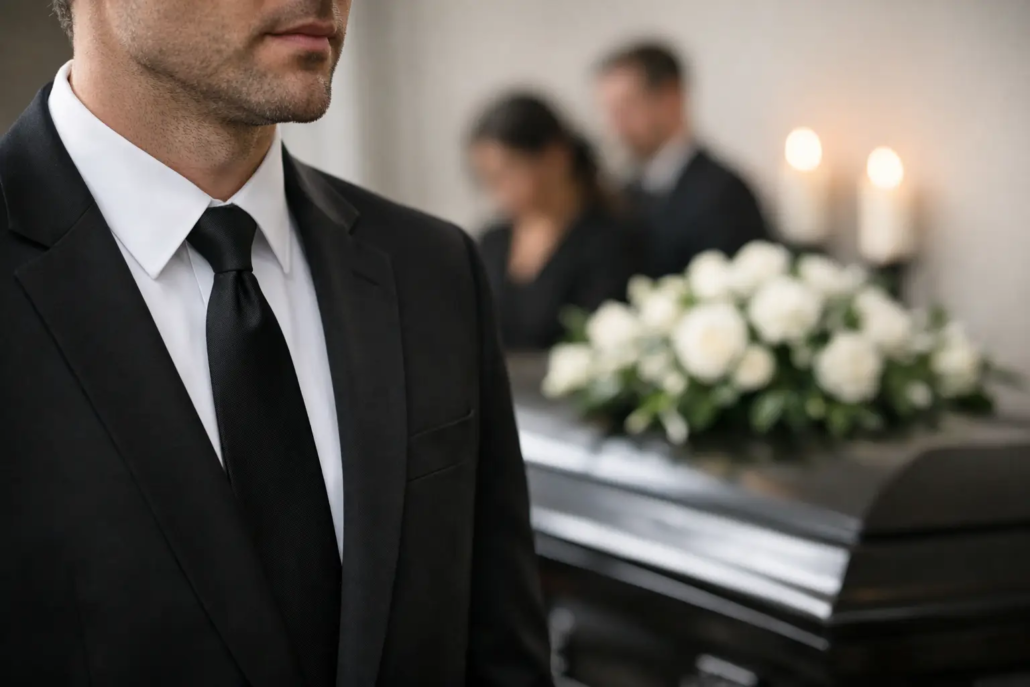
A funeral outfit should never pull focus from the people being remembered. That is the simple principle behind funeral tie etiquette: choose a tie that looks polished, restrained, and appropriate for the family, faith tradition, and setting. You do not need an expensive wardrobe or a complicated formula. A dark, well-chosen tie with a clean dress shirt and suit or sport coat will usually communicate exactly what it should – that you showed up with care.
Funeral Tie Etiquette Starts With Respect
For most services in the United States, a traditional necktie remains the safest choice. It signals formality without becoming a statement piece, especially when paired with a dark suit, white or light blue dress shirt, and polished shoes. Black is the classic answer, but it is not the only respectful answer.
Dark navy, charcoal gray, deep burgundy, and subtle dark green can all work well when they are muted and free of attention-grabbing patterns. The goal is not to look gloomy for the sake of it. It is to dress in a way that feels composed and considerate.
There are exceptions. Some families request bright colors, a favorite sports team color, floral attire, Hawaiian shirts, western wear, military dress, or clothing tied to a loved one’s personality. When a request is clearly made, honor it. The family’s wishes take priority over standard funeral attire rules.
If no dress guidance is provided, lean conservative. A dark solid tie is almost never the wrong decision.
The Best Tie Colors for a Funeral
A solid black silk or satin-finish tie is the most traditional option. It is especially appropriate for a formal church service, a military funeral, a graveside ceremony, or a service where you do not know the family well. A matte or lightly textured black tie tends to look more understated than a shiny finish.
Dark navy is another dependable choice. It is professional, versatile, and a little softer than black while remaining formal. A charcoal or medium-dark gray tie can also look sharp, particularly with a charcoal suit or navy suit. Keep enough contrast between the tie and shirt so the outfit looks intentional rather than washed out.
Deep burgundy can be appropriate when the shade is rich rather than bright. Think wine, oxblood, or dark merlot, not vivid red. Likewise, a very dark forest green may work for a less formal service, but black, navy, and charcoal remain the most universally accepted choices.
Avoid bright red, orange, yellow, neon shades, highly saturated purple, or anything metallic. These colors can feel celebratory or distracting unless the family has specifically requested them.
Are patterned ties acceptable?
Yes, with restraint. A small tonal dot, subtle texture, quiet pinstripe, or understated plaid can be suitable if the tie reads as dark from a normal conversational distance. A navy tie with tiny dark dots, for example, is usually appropriate.
Large florals, bold paisley, novelty prints, loud stripes, holiday motifs, and high-contrast geometric patterns are better saved for another occasion. Even a tie you wear confidently at work or a wedding may be too energetic for a memorial service.
When deciding between a solid tie and a patterned one, choose the solid. It removes the guesswork.
Match the Tie to the Rest of Your Outfit
The tie is only one part of a respectful look. A dark suit is traditional, but a navy or charcoal sport coat with dark slacks is acceptable for many services, particularly when the gathering is more casual. Wear a white shirt when possible. Light blue is also a reliable alternative.
Keep the collar structured and the shirt freshly pressed. An open collar can look too informal at a traditional funeral, so wear the tie unless the family has made clear that casual attire is expected. If you are attending directly from work and only have limited time to change, putting on a dark tie and removing casual outerwear can quickly make your outfit more appropriate.
Choose a belt that matches your shoes. Black leather shoes are the most formal option, while dark brown shoes can work well with navy or gray tailoring. Clean, polished footwear matters more than owning a particular designer pair. Skip sneakers, sandals, distressed boots, and visibly worn shoes unless the service setting or family request calls for them.
A pocket square is optional. If you wear one, make it plain white, neatly folded, and low-profile. A white linen square adds polish without competing with the occasion. Bright pocket squares, flashy tie bars, oversized lapel pins, and statement cuff links are best left at home.
Tie Width, Length, and Knot Matter
Funeral attire benefits from classic proportions. A standard-width tie, generally around 3 to 3.5 inches at its widest point, works with most suits and body types. Skinny ties can be appropriate if they are dark and understated, but an ultra-slim style may look more fashion-forward than the occasion calls for.
Your tie should reach the waistband or belt buckle. A tie that stops well above the belt can make an otherwise polished outfit look rushed, while one that hangs below the belt appears untidy. If standard lengths often come up short, an extra-long tie will create a better knot and proper finish.
Use a simple knot such as a four-in-hand or half-Windsor. Both look clean and appropriate with most collar styles. A full Windsor can work with a wide-spread collar, but avoid oversized knots or elaborate styles that draw attention. The dimple below the knot should be neat, not exaggerated.
A tie bar is optional, not required. If worn, choose a small silver, gold, or dark metal bar that does not extend past the tie’s width. It should sit between the third and fourth shirt buttons. Think practical and polished, not decorative.
What About Bow Ties, Bolo Ties, and Clip-On Ties?
A self-tie bow tie can be appropriate at a formal funeral if it is black or very dark and you already wear bow ties naturally. It is most common with formal evening clothing, but personal style and regional traditions matter. If a bow tie would feel unusual for you, a standard necktie is the easier choice.
Bolo ties may be entirely appropriate in western communities, at ranch or country services, or when they reflect the family’s culture. Select a simple cord and a modest slide rather than an ornate or oversized design. In the right setting, a bolo tie is not less respectful than a necktie. It is simply a different expression of formalwear.
A clip-on or zip tie is also acceptable when convenience, mobility, caregiving, or personal comfort makes it the practical option. The etiquette is about your presentation, not how the knot was made. Choose a dark, traditional style that lies flat and fits your shirt collar properly.
Consider the Service, Season, and Your Role
A close family member, pallbearer, speaker, or usher may be asked to follow a more specific dress code. In that case, coordinate early. Matching ties for pallbearers or immediate family can create a unified, respectful appearance, but the family should decide the color and level of formality.
For summer services, a dark navy or charcoal tie in silk, microfiber, or a subtle woven texture can feel less severe than heavy black satin. In colder months, dark wool-blend suits and richer tie textures are natural choices. The season can influence fabric, but it should not turn the outfit into a style experiment.
Also consider the venue. A formal funeral home or church usually calls for a suit and tie. A graveside service may require a coat for weather and stable shoes for uneven ground. A casual celebration of life held at a park, restaurant, or family home may allow more flexibility, but a neat collared shirt and subdued tie are still a thoughtful default when you are unsure.
Common Funeral Tie Mistakes to Avoid
The biggest mistake is treating the service like a chance to show off. Novelty ties, loud colors, oversized logos, glittery fabrics, and bold designer branding can pull attention away from the family. Save them for occasions where personality is the point.
Another common issue is wearing a tie that is technically dark but visibly casual, such as a wrinkled knit tie, a worn-out school tie, or a thin tie with a loose knot. If you only own one suitable tie, take a moment to steam or press it, check for stains, and make sure it sits straight.
Finally, do not let uncertainty keep you from attending. Families usually remember your presence, your kindness, and the support you offered far more than the exact shade of your tie. A clean dark tie and a sincere effort are enough in the vast majority of cases.
Tie One On offers classic solids, subtle textures, extra-long options, and formal accessories that make it easier to put together a respectful look without overthinking every detail. When in doubt, choose the simplest dark tie you have, make a clean knot, and let your attention stay where it belongs: with the people gathered to remember someone important.


Leave a Reply
Want to join the discussion?Feel free to contribute!