

Slim Tie Versus Skinny Tie: Which Fits You?
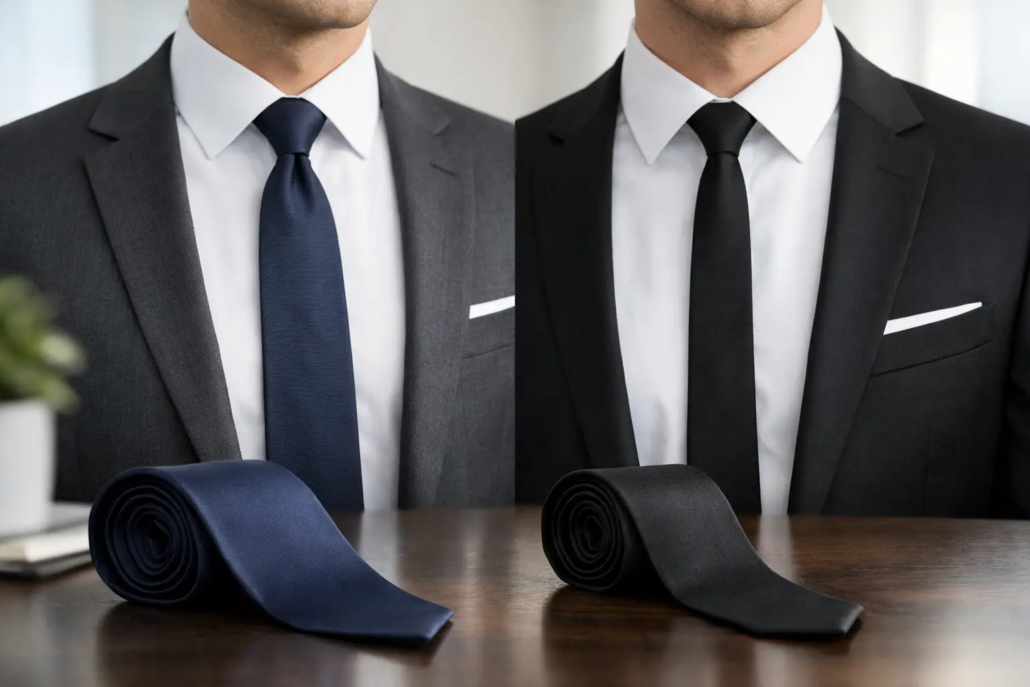
A tie can be the finishing touch that makes a suit look intentional, or the detail that throws the whole outfit off balance. The slim tie versus skinny tie question comes down to more than a small difference in width. Your jacket lapels, shirt collar, build, event, and personal style all play a part in which one looks right.
Both styles can look polished, modern, and appropriate for a wide range of occasions. The key is choosing a tie that complements the rest of your outfit instead of competing with it. Here is how to tell them apart and shop with confidence.
Slim Tie Versus Skinny Tie: The Main Difference
The difference is at the widest part of the tie, known as the blade. A slim tie usually measures about 2.5 to 3 inches wide. A skinny tie is narrower, often around 1.5 to 2.25 inches wide. Measurements vary by brand and design, so it is always smart to check the listed width rather than relying on the category name alone.
For perspective, a traditional necktie commonly falls between 3 and 3.5 inches wide. That makes a slim tie a versatile middle ground. It has a clean, current profile without looking especially narrow. A skinny tie makes a stronger style statement, with a sharp, streamlined effect that naturally feels more fashion-forward.
Neither is automatically better. A slim tie is usually the easier choice for someone building a dependable wardrobe for work, weddings, church, or formal dinners. A skinny tie works especially well when the suit, shirt, and occasion support a more fitted, contemporary look.
Choose the Width That Matches Your Suit
Your lapels offer the best starting point. Tie width and lapel width should feel proportionate when you look in the mirror. A slim tie pairs naturally with slim or moderately narrow lapels. It also works well with many modern suits that are tailored without being extremely tight.
A skinny tie looks best with narrow lapels, a trimmer jacket cut, and clean lines throughout the outfit. Pairing a very narrow tie with broad, classic lapels can make the tie look undersized. The reverse is also true: a wide tie with a closely cut suit and narrow lapels can feel heavy.
If you own only one suit and want a tie that will serve you for several events, slim is often the safer investment. It is polished enough for a job interview or wedding reception, but it still has a modern edge. If your closet already includes fitted suits and narrow-lapel jackets, adding a few skinny ties gives you another way to change the mood of the same suit.
Consider Your Overall Proportions
Personal proportions matter, but they are not strict rules. A broader build often looks balanced in a slim tie or a traditional-width tie, especially with a structured suit. A skinny tie can still work, but it needs to be part of an intentionally fitted outfit rather than the only slim element.
For a leaner frame, both slim and skinny ties can look excellent. The decision comes down to the silhouette you prefer. A slim tie creates a balanced, versatile finish. A skinny tie creates a more graphic, youthful line.
Height matters most when you are shopping for length, not width. The tip of a properly tied necktie should reach your belt buckle area. Taller men may need an extra-long tie to get the right length, particularly when tying a larger knot. A tie that is too short will look off no matter how well its width matches your suit.
Where Each Tie Style Works Best
A slim tie has broad appeal because it travels easily between occasions. It looks right in a professional setting, at a graduation, during a date night, or as part of a wedding party. Solid colors, subtle stripes, small floral prints, and refined textures all work especially well in slim widths.
Skinny ties are a strong choice for parties, school events, concerts, modern weddings, and dressier casual outfits. They can make a black suit and white shirt look clean and current, or give a simple blazer outfit more personality. They are also a natural fit for retro-inspired looks, especially with a tie bar and a crisp button-down shirt.
For a conservative business environment, a slim tie is generally the more dependable option. That does not mean a skinny tie is inappropriate, but the narrower the tie gets, the more deliberate the style feels. If the goal is to blend into a traditional boardroom setting, keep the width moderate and the pattern restrained.
At weddings, consider the dress code and the couple’s overall vision. Slim ties are easy to coordinate across a wedding party with different body types. Skinny ties can look excellent for a modern, tailored wedding, especially when groomsmen wear narrow-lapel suits. For coordinated groups, choosing one width for everyone creates a more polished result in photos.
Shirt Collars and Knots Make a Difference
A tie does not stand alone. The collar and knot shape can make a narrow tie look balanced or awkward. Slim and skinny ties typically look best with smaller, neat knots such as the four-in-hand. This knot has a slightly tapered shape that suits a narrower blade and avoids crowding the collar.
A half-Windsor can work well with a slim tie, particularly with a spread collar, but it may be too full for a very skinny tie. A full Windsor generally pairs better with a wider tie and a more substantial collar. If you prefer larger knots, a slim tie gives you more flexibility than a skinny option.
For shirts, a point collar or modest spread collar is a reliable partner for both styles. Avoid an oversized collar with a very narrow tie unless the look is intentionally fashion-driven. The goal is visual balance: the collar, knot, lapels, and tie blade should appear as though they belong in the same outfit.
Fabric, Pattern, and Color Can Change the Look
Width is only one part of a tie’s visual weight. A textured knit tie, for example, often looks more casual and substantial than a smooth silk tie of the same width. A dark solid skinny tie may feel sleek and formal, while a bright patterned skinny tie can feel playful and bold.
If you are new to narrower ties, start with versatile colors. Navy, black, charcoal, burgundy, and deep green are easy to wear with white, light blue, and subtle patterned dress shirts. A slim silk tie in one of these shades can cover a surprising number of occasions.
Patterns deserve the same attention. Fine stripes and small-scale prints tend to suit slim ties because they preserve the clean line of the blade. On a skinny tie, simple solids, narrow stripes, tiny dots, and restrained texture are often the strongest choices. Large patterns can be difficult to read on a narrow canvas.
A tie bar can add a finished touch to either style, but size matters. The bar should be shorter than the tie blade and never extend past its edges. This is especially important with a skinny tie, where an oversized tie bar can overpower the look. Position it between the third and fourth shirt buttons, securing both the tie and shirt placket.
A Quick Way to Decide
Choose a slim tie when you want a flexible, polished option that works with most modern suits and most formal occasions. It is the practical choice for a first quality tie collection, a work wardrobe refresh, or a wedding party that needs a coordinated look without pushing too far into trend territory.
Choose a skinny tie when you want a distinctly narrow silhouette and already have the fitted suit, narrow lapels, and smaller collar proportions to support it. It is ideal when your personal style leans modern, creative, retro-inspired, or deliberately sharp.
If you are still between the two, hold the tie against your jacket before making the decision. Look at the width alongside the lapel, then step back a few feet from the mirror. The right tie will look balanced before anyone notices its exact measurement.
Tie One On makes it easy to shop across slim, skinny, traditional, extra-long, silk, novelty, and coordinated tie-and-pocket-square styles, so you can find the width that suits the occasion and the rest of your wardrobe. Pick the tie that makes your outfit look like it was chosen on purpose – because the best formalwear detail is the one that lets you walk into the room feeling ready.


Leave a Reply
Want to join the discussion?Feel free to contribute!