

Wedding Vest Style Guide for a Sharper Look
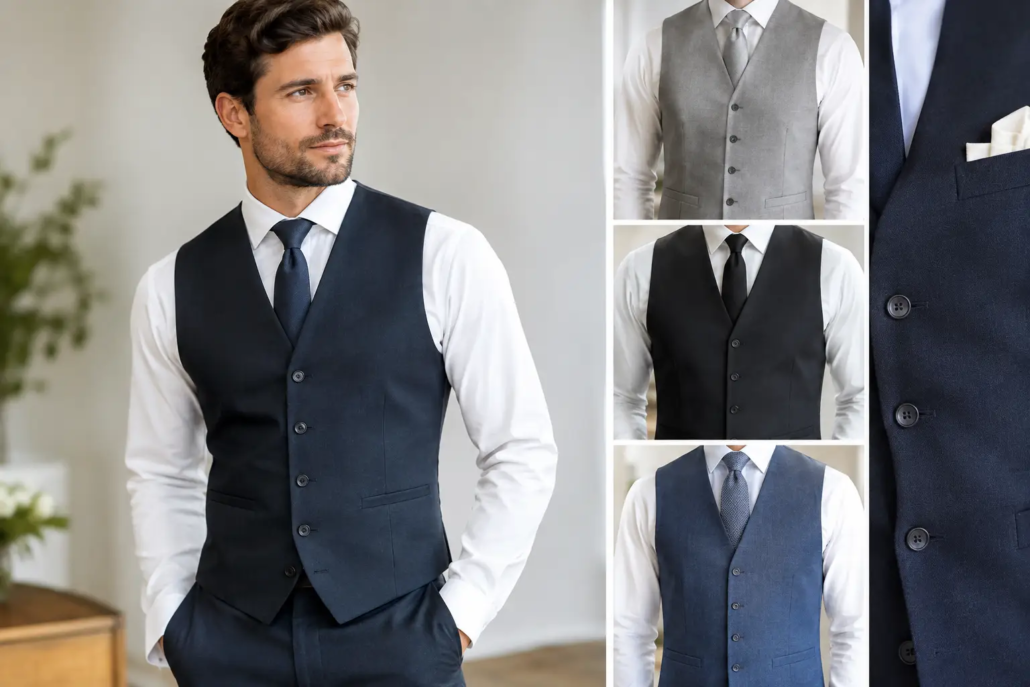
A vest can turn a standard wedding suit into a complete, intentional look. It adds structure when the jacket comes off, gives the wedding party a coordinated finish, and offers a polished alternative for men who do not want a full three-piece suit. This wedding vest style guide breaks down how to select, fit, and coordinate a vest that looks right from the ceremony through the last dance.
The best choice depends on your role, the dress code, the season, and how formal the event will be. A groom may want a vest that stands apart from the groomsmen, while a guest should aim for sharp and appropriate rather than overly coordinated with the wedding party.
Start With the Wedding Dress Code
A vest is flexible, but it is not automatically formal. The fabric, color, buttons, and the pieces worn with it all determine where it lands on the dress-code scale.
For a black-tie wedding, a formal black or midnight navy waistcoat is the traditional choice. Wear it with a tuxedo shirt, bow tie, and tuxedo trousers. A low-cut vest designed for formalwear works especially well because it frames the bow tie and shirt front without competing for attention. Skip casual fabrics, contrast buttons, and bright novelty colors for this setting.
For a formal or cocktail wedding, a matching vest with a suit creates the cleanest three-piece look. Navy, charcoal, black, and medium gray are dependable choices. A groom can also choose a vest in a complementary shade, such as a light gray vest with a darker gray suit, as long as the contrast looks deliberate and the fabrics have a similar level of formality.
At a semi-formal, rustic, garden, or outdoor wedding, there is more room for texture and color. Think tweed, subtle herringbone, muted blue, tan, burgundy, sage, or a soft neutral. These options can look excellent with a suit jacket or on their own with a crisp dress shirt, tie, and dress trousers. The setting matters: a tweed vest is right at home at a fall barn wedding but may feel heavy at a beach ceremony in July.
Wedding Vest Style Guide: Get the Fit Right
Even an excellent color choice cannot rescue a vest that fits poorly. A wedding vest should sit close to the body without pulling across the chest or stomach. When buttoned, it should lie flat. If the buttons strain or the fabric makes horizontal wrinkles, size up or try a different cut.
The shoulder area should rest smoothly against the shirt. Large gaps near the armholes can make the vest look borrowed, while armholes that cut in too tightly will be uncomfortable during dinner and dancing. The back adjustment strap is useful for fine-tuning the fit, but it should not be doing all the work. Start with the right size, then use the strap for a clean finish.
Length is equally important. The bottom of the vest should cover the waistband of the trousers. A visible strip of dress shirt between the vest and trousers breaks up the outfit and looks unfinished in photos. Higher-rise dress trousers are especially helpful with vests because they create a cleaner line through the waist.
Most wedding vests have five or six buttons. Leave the bottom button unfastened, a classic menswear rule that keeps the vest from pulling when you sit or move. Button the remaining buttons while standing for the ceremony, portraits, and formal moments.
Match the Vest to the Suit, Not Just the Tie
When coordinating wedding attire, start with the suit before selecting accessories. A matching suit-and-vest combination is always a safe option, particularly for groomsmen. It creates a cohesive silhouette and makes group photos look organized without requiring every accessory to match exactly.
A contrast vest can add personality, but it requires more care. The color should complement the suit and wedding palette rather than copy every color in the décor. For example, a navy suit with a light gray vest is refined and versatile. A charcoal suit with a burgundy vest can work beautifully for an autumn celebration. A tan suit with a muted blue or cream vest suits many warm-weather and outdoor weddings.
Avoid using a vest as the only bright element in an otherwise traditional outfit unless the wedding calls for it. A vivid red, neon, or highly patterned vest can look costume-like in photographs. If the couple has chosen a bold wedding color, consider bringing it in through a tie, bow tie, pocket square, or boutonniere instead.
Fabric is part of the match, too. A sleek satin-finish vest pairs naturally with formal tuxedo pieces, while a matte wool-blend or textured vest belongs with suits and more relaxed wedding settings. Mixing fabrics can work, but they should look intentional. A shiny vest with a casual linen suit, for example, often feels disconnected.
Should the Groom Wear a Different Vest?
He can, but he does not have to. A groom can stand out through a different tie, bow tie, pocket square, boutonniere, or suit color while keeping the same vest as the groomsmen. This is often the easiest way to maintain a coordinated wedding-party look.
If the groom wears a distinct vest, keep the difference tasteful. A matching suit with a contrasting vest is a strong choice, as is a subtle patterned vest for the groom while groomsmen wear solid colors. The goal is to give him a signature detail, not make him look like he belongs to a different event.
Choose a Tie or Bow Tie That Completes the Look
A vest narrows the visible area of the shirt and tie, so proportion matters. A traditional-width necktie is usually the most versatile option for a wedding vest. It provides enough presence above the vest without looking oversized. A skinny tie can work with a slim-cut suit and modern vest, but it may look too casual beside a classic or formal waistcoat.
Bow ties are a natural partner for vests, especially for black-tie, formal evening, or vintage-inspired weddings. A self-tie bow tie offers classic character, while a pre-tied option can be a practical choice for a larger wedding party that needs consistent, quick styling.
Coordinate colors instead of matching every item exactly. A navy vest and floral pocket square do not require a navy floral tie. Instead, choose a tie that picks up one secondary color from the pocket square or wedding palette. This creates depth without making the outfit feel overly planned.
A pocket square should complement the tie and vest, not duplicate them. White linen is a reliable choice for formal weddings. For less formal events, a patterned square can add interest, especially when the vest and tie are solid. Keep the fold clean and modest. The pocket square should be an accent, not a distraction.
Shirt, Shoes, and Finishing Details
A white dress shirt is the most dependable foundation for nearly every wedding vest outfit. It looks crisp with dark, light, or colored vests and lets the tie stand out. Light blue can also work for daytime or relaxed weddings, especially with gray, navy, or tan tailoring.
For a black-tie vest, choose a formal shirt with the correct collar and front details for the tuxedo. For suit-based outfits, a standard spread or point collar gives you the most flexibility with neckties and bow ties. Make sure the collar fits comfortably when buttoned. A loose collar can make even a well-fitted vest look sloppy.
Match your belt and shoes in a traditional way: black shoes with black, charcoal, or navy formal looks; brown shoes with blue, gray, tan, or earth-toned suits. If you are wearing a formal waistcoat or tuxedo, skip the belt when possible and rely on properly fitted trousers, side adjusters, or suspenders. A belt buckle under a fitted vest can create bulk.
Cuff links, tie bars, watches, and socks are where personal style can show up. Keep metal finishes consistent when you can. If your tie bar is silver, silver cuff links and a silver watch case create a tidy, coordinated effect. For wedding parties, choosing a shared detail such as matching ties, socks, or cuff links can bring the group together without forcing everyone into identical accessories.
Common Wedding Vest Mistakes to Avoid
The most common mistake is treating the vest like a separate costume piece. It should connect to the suit, shirt, and accessories through color, fabric, or formality. Another frequent issue is wearing a vest that is too long, too loose, or buttoned all the way to the bottom.
Also be careful with rental-style excess: shiny fabric, too many colors, oversized boutonnieres, and matching tie-and-pocket-square patterns can make an outfit feel dated. One standout element is usually enough. If the vest has texture or pattern, choose a quieter tie. If the tie is bold, let the vest stay solid.
For groomsmen, plan early and order with enough time for everyone to try on their pieces. The same vest color can appear different beside varying shirt shades, so keep shirts consistent across the group. Tie One On can help wedding parties coordinate ties, bow ties, vests, and finishing accessories without pushing the look beyond the budget.
A wedding vest should make you feel more put together, not more restricted. Choose a fit you can sit, eat, dance, and celebrate in, then let the details support the occasion. The right vest will still look sharp after the jacket comes off and the party is just getting started.


Leave a Reply
Want to join the discussion?Feel free to contribute!