

How to Choose Tie Width That Looks Right
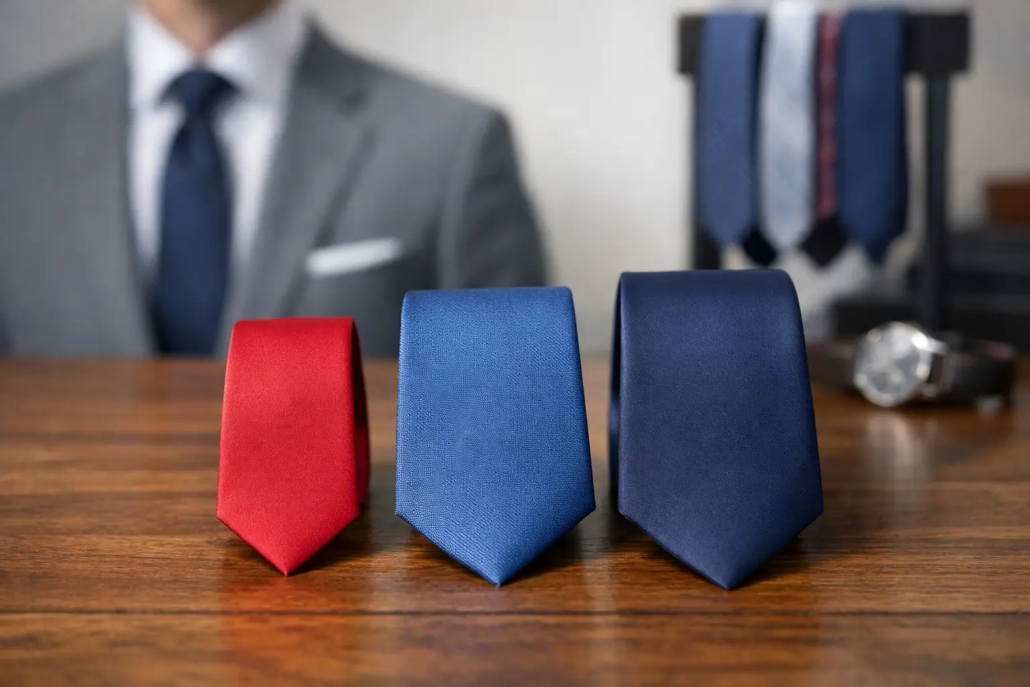
A tie can be the right color, the right fabric, and the right pattern – and still look off if the width is wrong. That is why knowing how to choose tie width matters. It is one of the quickest ways to make your outfit look sharp, balanced, and intentional instead of slightly mismatched.
Most men do not need a complicated formula. You just need to know what the tie is balancing against: your jacket lapels, your shirt collar, your build, and the kind of event you are dressing for. Once those pieces line up, tie shopping gets much easier.
How to choose tie width without overthinking it
The simplest rule is this: your tie width should be close to the width of your suit jacket lapels. That one detail creates visual balance across your chest and shoulders, which is exactly what makes a tie look like it belongs with the rest of your outfit.
If your lapels are narrow, a slimmer tie usually looks cleaner. If your lapels are wider, a traditional tie width tends to look more natural. When the difference is too dramatic – like a very skinny tie with wide lapels, or a wide tie with a sleek modern suit – the outfit starts to fight itself.
For most men, standard ties in the 3-inch to 3.25-inch range are the safest all-around choice. They work well for business wear, weddings, church, and most formal events. Skinny ties, usually around 2 inches to 2.75 inches, feel more fashion-forward and work best when the rest of the outfit is also trim and modern.
That does not mean one width is better than the other. It means the best tie width depends on the full look.
Start with your jacket lapels
If you wear suits regularly, lapels should be your first checkpoint. They set the visual scale for your tie more than anything else.
A modern slim-fit suit with narrow lapels usually pairs best with a slimmer tie. That combination looks clean and current, especially for younger professionals, school dances, or a wedding party going for a more tailored style. On the other hand, a classic suit with standard lapels generally looks strongest with a traditional tie width.
This is where many men miss the mark. They buy ties based on trend alone, then wear them with jackets cut for a completely different era. A skinny tie can look great, but not if your suit has broad lapels and a fuller chest. Likewise, a wide traditional tie can look too heavy with a fitted suit and a narrow shirt collar.
If you are shopping for one tie that can cover a lot of ground, matching your lapels is the most reliable move.
What if you are not wearing a jacket?
You still want the tie to match the overall scale of your outfit. Think about your shirt collar and your build. A slim tie can work well with a fitted dress shirt and a smaller collar. A traditional tie usually feels more balanced with a standard spread collar or a broader frame.
Without a jacket, the tie becomes more visually prominent, so a width that is too extreme tends to stand out faster.
Body type matters, but not in a rigid way
When customers ask how to choose tie width, they are often really asking whether a certain tie will flatter their build. That is a fair question, and the answer is yes – to a point.
A slimmer man often looks good in a slimmer or standard-width tie because it keeps the proportions neat. A broader man usually benefits from a standard or slightly wider tie because it holds its own visually and does not look undersized.
But this is not a hard rule. Height, shoulder width, jacket cut, and personal style all play a role. A tall man with a lean build may still prefer a traditional tie if he is wearing business suits every day. A stockier man may choose a slightly slimmer tie for a modern wedding look if the jacket and shirt are also tailored accordingly.
The goal is not to dress by body category. The goal is to avoid a tie that looks noticeably too narrow or too wide for the person wearing it.
Shirt collar shape changes the look
Tie width and collar shape work together more than most men realize. If you wear a wide spread collar, an ultra-skinny tie can look a little lost in the middle. If you wear a narrow point collar, a very wide tie may feel too bulky.
A traditional tie width is usually the easiest option with classic dress shirts because it fills the space under the collar neatly. Slim ties tend to look best with smaller, sharper collars and more fitted shirts.
The knot matters too. A larger knot with a very slim tie can look top-heavy. A tiny knot with a wide tie can look unfinished. You do not need to obsess over this, but it is worth checking in the mirror before heading out the door.
Occasion should guide the decision
Tie width is not just about fit. It also helps set the tone.
For business settings, job interviews, church, and traditional formal events, standard tie widths usually win. They look polished, versatile, and timeless. If you want a tie that will not feel dated in photos a few years from now, traditional proportions are a smart bet.
For weddings, parties, date nights, and fashion-forward events, slimmer ties can be a great choice. They give a more tailored, updated feel, especially when paired with fitted suits, narrow lapels, and sleek dress shoes.
That said, trendier is not always better. If you are dressing for a major life event and want the safest, most broadly flattering option, standard width usually gives you more flexibility.
For boys and younger dressers
Slimmer ties often look great for teens and young men, especially at dances, graduations, and weddings. Their proportions tend to fit a trimmer frame well, and the style feels fresh. But even here, the same balance rules apply. The shirt, vest, or jacket should support the look rather than compete with it.
Fabric and pattern can make a tie feel wider or narrower
Not all tie widths read the same once color and fabric get involved. A dark solid tie in matte silk can appear slimmer and cleaner than a bold, brightly patterned tie in the same exact width. Large prints also make a tie feel more visually substantial.
Texture plays a role too. Heavier woven fabrics, thick satins, and ties with more structure can look fuller on the body. A soft, sleek tie often feels leaner and more refined.
This is why two ties with identical measurements can wear differently. If you are between widths, consider whether the fabric and pattern already add visual weight.
Common tie width mistakes
The most common mistake is choosing a tie because it is trendy, not because it fits the outfit. Skinny ties have their place, but they are not the best answer for every suit or every body type.
The second mistake is ignoring proportion altogether. A tie should not look like an afterthought. It should connect the shirt and jacket in a way that feels clean and natural.
The third mistake is buying only for one moment. If you want maximum value, look for widths you can wear across work, weddings, and special occasions. For many men, that means starting with a standard-width tie and adding slimmer options for specific looks.
A practical way to choose tie width when shopping
If you are deciding between categories, think in terms of use. If you need one dependable tie for broad use, start with a traditional width around 3 inches to 3.25 inches. If your wardrobe leans modern, fitted, and narrow through the lapels and collars, a slim tie may be the better everyday choice.
If you wear larger jackets, have broader shoulders, or shop for conservative business wear, do not force a skinny tie into the mix just because it is on trend. You will usually get a better result from a tie with enough presence to balance your frame and your suit.
And if you are buying for a wedding party or a group, consistency matters. Matching tie widths across the group usually makes photos look more polished, even when suit sizes vary.
At Tie One On, this is where a broad selection really helps. When you can compare traditional ties, skinny ties, boys’ options, and occasion-driven styles side by side, it becomes much easier to choose a width that works for the whole outfit instead of settling for whatever is left.
How to choose tie width for long-term wear
If you care about getting mileage out of your wardrobe, aim for balance over extremes. Very narrow and very wide ties tend to date themselves faster. Standard widths stay in rotation because they work with more shirts, more jackets, and more occasions.
That does not mean you should avoid style. It just means you should know when you are buying a foundation piece and when you are buying a statement piece. Both have value, but they serve different jobs in your closet.
A good tie width should feel right the moment you put it on. Not flashy. Not forced. Just sharp, proportional, and ready for the occasion. When you choose with balance in mind, the rest of your look usually falls into place much faster.



Leave a Reply
Want to join the discussion?Feel free to contribute!