

How to Fold Pocket Squares for Any Look
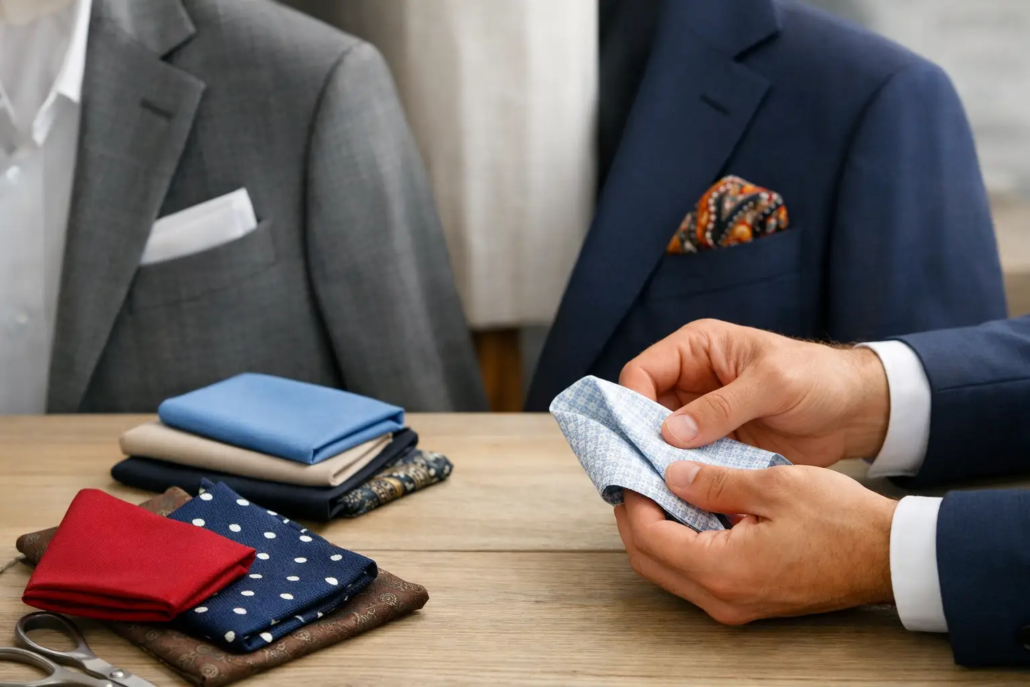
A pocket square can make a suit look finished in about three seconds flat. The catch is that plenty of men own one and still are not quite sure how to fold pocket squares in a way that looks intentional instead of stuffed in at the last minute. The good news is that it is easier than most people think, and the right fold depends less on rules and more on the occasion, your jacket, and the kind of style you want to project.
If you wear a suit for work, church, weddings, school events, or special dinners, knowing a few dependable folds goes a long way. You do not need ten complicated techniques. You need a handful of sharp, reliable options that work with real wardrobes and real events.
How to fold pocket squares without overthinking it
Start with one simple principle: your pocket square should add polish, not fight for attention. That means the fold, the fabric, and the color all need to work with your tie, shirt, and jacket.
A crisp white pocket square in a clean fold will usually look more formal than a bright patterned square puffed high out of the pocket. Silk tends to look smoother and dressier, while cotton and linen often hold structured folds better. If the square keeps collapsing, the issue may not be your folding technique. It may just be a softer fabric that is better suited to a more relaxed fold.
Pocket squares also do not need to match your tie exactly. In fact, an exact match can look a little too packaged. Coordinating colors and complementary patterns usually look more polished.
The presidential fold
If you only learn one fold, make it this one. The presidential fold, sometimes called the square fold, is clean, classic, and dependable. It is the best choice when you want a sharp, understated finish.
This fold works especially well for job interviews, business wear, black tie alternatives, church, and formal weddings. It looks best with cotton or linen because those fabrics keep their edges neatly in place, though a structured silk can work too.
How to do it
Lay the pocket square flat. Fold it in half from left to right, then fold it again until the width fits your breast pocket. Fold the bottom up so the height matches the depth of your pocket, then place it inside with a slim horizontal strip showing.
What should show above the pocket? Usually about a quarter inch to half an inch. Too much and it starts to look stiff or exaggerated. Too little and it disappears.
When to choose it
The presidential fold is your safest option when your tie already has personality. If you are wearing a bold floral tie, a textured vest, or a patterned shirt, this fold keeps the outfit balanced.
The puff fold
The puff fold is easy, forgiving, and ideal for men who want a pocket square to look stylish without looking overly precise. It has a softer shape, which makes it a strong choice for silk squares and less formal occasions.
You will see this fold often at weddings, date nights, cocktail events, and parties where a little personality is welcome. It can also soften the look of a structured suit.
How to do it
Lay the square flat, then pinch the center with one hand so the fabric drapes downward. With your other hand, gather the hanging fabric loosely. Fold the bottom upward behind the puff until the square is the right length for your pocket, then place it inside so the rounded top shows.
The key word here is loosely. If you grip too tightly, the fold can look cramped instead of effortless.
When to choose it
This is a great option when your suit is solid and you want the pocket square to bring in texture or color. If you are dressing for a wedding and want to look polished but not rigid, the puff fold lands in the sweet spot.
The one-point fold
The one-point fold gives you a little more shape than the presidential fold without becoming flashy. It creates a single peak above the pocket and works well for both business and event wear.
This is one of the most versatile ways to fold a pocket square because it sits right between formal and expressive. It works with cotton, linen, and some silks depending on how sharp you want the point to look.
How to do it
Start with the square flat in a diamond position, with one corner pointing up. Fold the bottom corner up to meet the top corner, forming a triangle. Then fold one side inward and the other side inward until the width fits your pocket. Fold the bottom up as needed and place it in the pocket with one point visible.
When to choose it
Choose the one-point fold when you want a little detail but still want to keep things classic. It works especially well with navy, charcoal, and medium-gray suits.
The two-point and three-point folds
These folds build on the same basic idea as the one-point fold, but they show two or three peaks instead of one. They look slightly dressier and more styled, which makes them popular for weddings, holiday parties, and special events.
They can look excellent, but they also ask for a steadier hand. If you are dressing in a hurry before work, the presidential or puff fold is usually the smarter choice.
How to do them
For a two-point fold, begin in a diamond shape and fold the bottom corner upward slightly off center so two points appear at the top instead of one. Then fold the sides inward and the bottom upward to fit the pocket.
For a three-point fold, start similarly but bring one side across in a way that creates a third visible point. It takes a little adjustment, and that is normal. These folds are more about clean presentation than perfect geometry.
When to choose them
Use these when the event calls for extra polish and the rest of your look is relatively simple. A solid suit, white shirt, and classic tie pair well with a multi-point fold because the pocket square gets room to stand out.
Matching the fold to the occasion
A lot of style advice makes this sound more rigid than it really is. The better approach is to match your fold to the dress level of the event.
For business and professional settings, stick to the presidential fold or one-point fold. They look sharp, controlled, and appropriate in most offices and formal daytime settings.
For weddings, it depends on your role. A groom or groomsman can wear a puff, one-point, or two-point fold depending on the formality of the wedding and the texture of the square. A guest can usually wear almost any of these, as long as the colors coordinate and the fold does not look louder than the event.
For black tie or very formal dress, the presidential fold in white is hard to beat. It is clean for a reason.
Fabric matters more than most men realize
If a fold never looks the way it should, check the fabric before blaming yourself. Linen and cotton are usually easiest for structured folds because they hold edges and corners well. Silk has a richer finish and often looks best in softer folds like the puff.
Polyester blends can vary. Some are stiff enough for clean folds, while others can look bulky. Thicker pocket squares may need a simpler fold just to fit neatly in the jacket pocket.
This is one reason a broad selection helps. Different suits, occasions, and personal styles call for different textures, not just different colors.
Common mistakes to avoid
The most common mistake is overstuffing the pocket. A pocket square should sit neatly, not bulge outward.
The second is matching it exactly to the tie. Coordinated is good. Identical can look too prearranged. If your tie is navy with light blue detail, a pocket square with a touch of navy or light blue is usually a better choice than the exact same pattern.
The third is choosing a fold that fights the fabric. A silky square forced into a razor-sharp fold may keep slipping. A thick cotton square jammed into a dramatic puff can look bulky.
Finally, do not aim for perfection at the expense of style. Pocket squares should look polished, but a little natural variation is part of the appeal.
Building confidence with pocket squares
The easiest way to get comfortable is to practice two folds first: the presidential fold and the puff fold. Those two cover most situations and work across a wide range of suits and events. Once you feel good with those, add the one-point fold for extra versatility.
If you are building out your wardrobe, start with a white pocket square, then add one or two in colors or patterns that work with your most-worn ties and shirts. That gives you plenty of range without turning a simple accessory into a complicated decision.
At Tie One On, we have seen the difference the right finishing detail makes. A well-chosen pocket square does not have to be expensive or hard to wear. It just has to look intentional.
When in doubt, keep it clean, keep it coordinated, and let the fold support the outfit rather than steal the show. That is usually the move that looks the sharpest.



Leave a Reply
Want to join the discussion?Feel free to contribute!