

Professional Ties for Interviews That Work
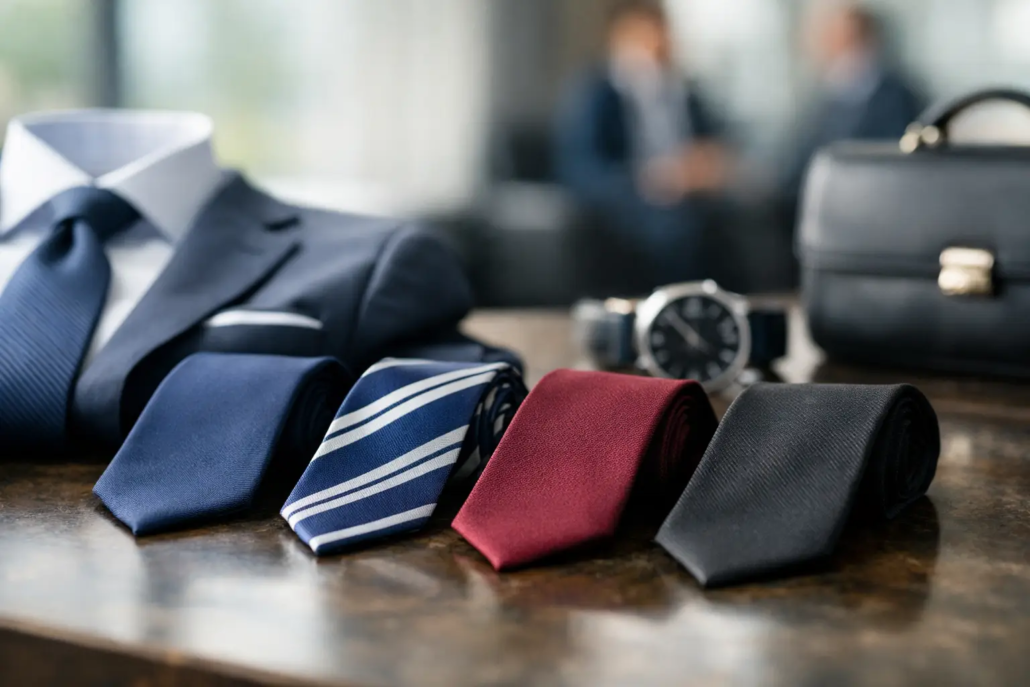
The tie you wear to an interview should never be the most memorable thing about you. It should make you look sharp, prepared, and professional before you even answer the first question. That is exactly why choosing professional ties for interviews matters more than most guys think. The right tie signals judgment. The wrong one can make a great suit look off, or make an otherwise qualified candidate seem too casual, too flashy, or just not fully put together.
Interview style is not about dressing like someone else. It is about showing that you understand the room. A tie for a corporate finance interview should not send the same message as a tie for a creative sales role, and neither should look like something pulled from the wedding section at the last minute. The best choice usually lands in a simple middle ground – polished, confident, and easy to trust.
What professional ties for interviews should communicate
A good interview tie says you pay attention to details. It also says you respect the opportunity. That does not mean your tie needs to be expensive or overly formal. It means it needs to look intentional.
Most interviewers will not comment on your tie directly, but they absolutely register the overall impression. Clean lines, balanced color, and a professional finish tell people you know how to present yourself. That matters in nearly every industry, whether the role is client-facing or not.
The safest interview tie is one that supports your outfit instead of competing with it. If your shirt, suit, and tie are all trying to be the star, the look starts to feel busy. If everything is too plain, you can look flat or underdressed. The sweet spot is a tie with enough texture or pattern to look considered, but not enough to distract.
The best colors for interview ties
Color is where most men either make a strong choice or make things harder than they need to be. For interviews, the most dependable colors are navy, burgundy, deep green, charcoal, and muted blue. These shades look professional, photograph well, and pair easily with standard interview shirts and suits.
Navy is the easiest recommendation because it works in almost every setting. It looks steady, capable, and classic. A burgundy tie is another strong option if you want a little more presence without stepping into flashy territory. Dark green can also look excellent, especially with navy or gray suiting, but it should stay rich and subdued rather than bright.
There are times when a lighter tie can work, especially in warmer months or in less formal industries. Still, for a first interview, darker and more grounded colors usually do more of the work for you. Bright yellow, loud red, neon tones, and shiny metallic finishes are better saved for other occasions.
Pattern or solid? It depends on the role
If you want the lowest-risk option, choose a solid tie with texture. A woven navy tie or a matte burgundy tie gives you depth without making the outfit feel loud. Texture helps a solid tie look elevated, especially under office lighting, where flat fabric can sometimes feel a little dull.
Patterns can absolutely work for professional ties for interviews, but the pattern needs restraint. Small stripes, subtle dots, neat geometric prints, and understated checks are all fair game. The key is scale. If the pattern is visible from across the room before the interviewer even notices your face, it is probably too bold.
Traditional stripes are especially reliable for business interviews. They add structure and look established, which is useful when you want to project confidence. Small repeating patterns can also be a smart choice for roles in sales, management, or consulting, where a little personality helps. Novelty prints, oversized florals, and anything with a high-gloss finish belong somewhere else.
Width, length, and fabric still matter
A professional tie can miss the mark if the proportions are off. For most interviews, a traditional-width tie is the safest bet. Skinny ties can look sharp in the right outfit, but they also read more fashion-forward. If you are interviewing in a conservative environment, classic width usually gives you a cleaner and more balanced look.
Length matters just as much. Your tie should end around your belt line. Too short looks careless. Too long looks awkward. If you are taller, extra-long ties are often worth it because they keep your knot and blade proportionate instead of forcing a compromise.
Fabric affects the impression too. Silk is a classic interview choice because it looks polished without trying too hard. Matte finishes generally work better than overly shiny ones. A subtle woven texture or lightly grained fabric can make the tie feel richer and more professional. Very casual fabrics may work in relaxed settings, but for most interviews, traditional dress fabrics are still the strongest move.
How to match your tie with your shirt and suit
The easiest interview combination is a white dress shirt, a navy or gray suit, and a classic tie in a darker tone. It is clean, dependable, and hard to get wrong. If you prefer light blue shirts, those also pair beautifully with navy, burgundy, and deep green ties.
The biggest rule here is contrast. Your tie should stand apart from your shirt. A navy tie on a light blue shirt works because the values are different enough to stay crisp. A pale blue tie on a light blue shirt can look washed out. The same goes for gray on gray if the tones are too close.
If your suit has a pattern, keep the tie simple. If your shirt has a stripe or check, the tie should either be solid or carry a pattern noticeably different in size. Mixing multiple patterns is possible, but interview day is not the time to prove you can style like a menswear editor. You want polished, not complicated.
When to go more conservative
Some industries reward a sharper read of tradition. Finance, law, government, banking, and executive-level roles usually call for a more classic interview outfit. In those settings, a navy or burgundy silk tie with a white or light blue shirt is hard to beat.
If the company culture seems formal, take that seriously. It is better to be slightly more dressed up than slightly too casual in a first meeting. A conservative tie choice shows good judgment, and good judgment is a trait every employer wants.
This does not mean you have to look stiff. It means your outfit should not create questions. The interviewer should be focused on your experience, your communication, and whether you are the right fit.
When you can show a little more personality
Not every interview happens in a boardroom. Some industries allow more flexibility, especially creative, retail, startup, or modern sales environments. In those cases, a tasteful pattern, a richer color, or a slightly more modern texture can work well.
The trade-off is that personality still needs boundaries. A tie that feels stylish is great. A tie that looks trendy in a way that may not age well is riskier. If you are unsure how far to go, step one level back. Interviews are not the place to test whether a bold fashion choice will land.
This is where a retailer with real assortment depth makes a difference. When you can compare traditional ties, textured solids, subtle stripes, and modern patterns side by side, it becomes much easier to find something that fits the role without overspending.
Common interview tie mistakes to avoid
Most tie mistakes are not dramatic. They are small details that add up. A wrinkled tie, a loose knot, visible stains, frayed edges, or a tie that sits crooked can pull down an otherwise solid look.
The other common mistake is choosing something too expressive for a first impression. Novelty ties, loud colors, overly shiny fabrics, and oversized patterns tend to read as less professional in interview settings. Even if the office dress code is relaxed, your first meeting usually calls for a cleaner approach.
One more thing worth mentioning: do not wait until interview morning to test your outfit. Tie it on ahead of time. Make sure the knot sits well, the length is right, and the tie works with your shirt collar. Five minutes of prep can save you from a rushed fix in the car.
Building a small rotation of professional ties for interviews
If you are job searching actively, one tie is not always enough. Having a small rotation gives you flexibility for different companies, suit colors, and seasons. A navy solid, a burgundy textured tie, and a subtle stripe in a dark neutral will cover most situations without making your closet complicated.
This kind of wardrobe planning is where affordable luxury really pays off. You do not need a massive collection to look prepared. You just need a few dependable options that fit well, pair easily, and hold their shape. Tie One On has built its reputation around exactly that kind of practical style – polished choices, broad variety, and the kind of expert guidance that makes shopping easier.
The best interview tie is not the loudest or the most expensive. It is the one that helps you walk in looking ready, capable, and comfortable in your own skin. Pick a tie that supports your message, and let the conversation do the rest.


Leave a Reply
Want to join the discussion?Feel free to contribute!