

How to Coordinate Dress Shirts Well
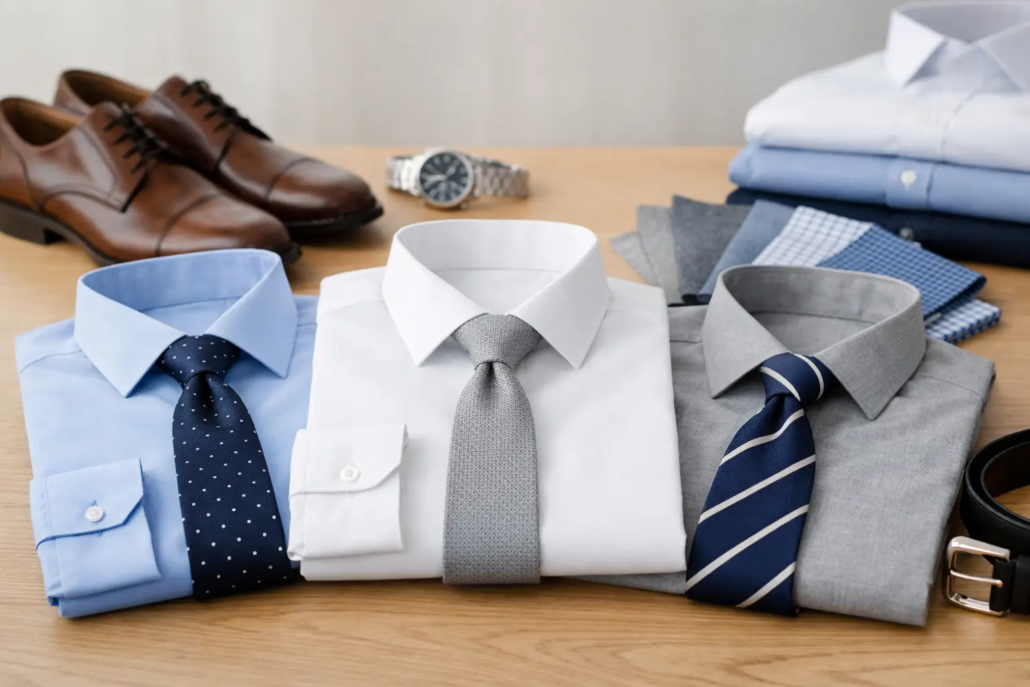
A sharp outfit usually falls apart in one place first: the shirt. You can have the right tie, a well-fitted suit, and polished shoes, but if you are not sure how to coordinate dress shirts, the whole look can feel slightly off. The good news is that shirt coordination is much simpler than it seems once you know what the shirt is supposed to do in the outfit.
For most men, a dress shirt is not the loudest part of the look. It is the anchor. It sets the tone for everything around it, from the tie and vest to the belt and pocket square. When the shirt is coordinated well, the rest of the outfit feels intentional instead of pieced together at the last minute.
How to coordinate dress shirts by starting with the occasion
The first question is not which color you like best. It is where you are wearing it.
A white dress shirt is still the most versatile option for formal events, business settings, weddings, and church. It is clean, reliable, and easy to pair with nearly any tie color or suit. If you need one shirt that works almost everywhere, start there.
A light blue shirt is the next easiest choice. It is slightly more relaxed than white but still polished enough for office wear, family photos, and many semi-formal events. Blue also works especially well with navy, gray, burgundy, and patterned ties.
More expressive shirt colors like blush, lavender, black, or deeper blue can look excellent, but they depend more heavily on the event. A black dress shirt can look sleek for an evening celebration, but it is not always the right call for a traditional wedding or conservative workplace. A lavender shirt adds personality, though it needs more thoughtful coordination with the tie and jacket.
If the occasion is formal, stay classic. If it is social or seasonal, you have more room to play.
Start with color before pattern
When customers try to coordinate too many elements at once, the easiest fix is to simplify the decision order. Pick the shirt color first, then build the rest of the outfit around it.
White shirts work with almost any color family. Navy ties, red ties, green ties, silver ties, pastels, dark florals, and novelty patterns all have room to stand out against white. That is why white is such a strong choice for men who want flexibility without a lot of second-guessing.
Light blue shirts are slightly more selective, but not by much. They pair especially well with navy, burgundy, dark green, mustard, and brown-toned accessories. The look is softer than a white shirt, which makes it popular for daytime events and professional wear.
Pink or blush shirts usually pair best with navy, charcoal, deep purple, or subtle gray accessories. Lavender shirts tend to work with navy and charcoal as well. Black shirts are strongest with black, gray, or jewel-toned accents, but they can be less forgiving if you are trying to create a traditional dressy look.
As a rule, your tie should either contrast clearly with the shirt or complement it in a darker, richer tone. If the shirt and tie are too close in color value, the outfit can look flat. A pale blue shirt with a medium blue tie can work, but a pale blue shirt with a deeper navy tie usually works better.
How to coordinate dress shirts with ties
This is where most men want the fastest answer, and the fastest answer is this: let the shirt support the tie, not compete with it.
A solid white shirt gives you the most freedom with ties. If you are dressing for a wedding, presentation, or important event, it is hard to beat because it keeps the attention where it belongs. Rich silks, subtle textures, stripes, paisleys, and bold seasonal colors all have space to look their best.
With a light blue shirt, a navy or burgundy tie is one of the most dependable combinations in menswear. It looks polished without feeling stiff. A gray tie can also work well if you want something understated.
Patterned shirts require more restraint. If your shirt has stripes or checks, the safest move is a solid tie. If you do want pattern on both, one pattern should be noticeably larger or more dominant than the other. A narrow striped shirt with a larger-scale paisley tie can work. A tiny checked shirt with a tiny patterned tie usually just looks busy.
Texture matters too. A smooth dress shirt paired with a knit tie, woven tie, or matte finish accessory can create interest without adding more color or pattern. That is especially useful if you prefer classic outfits but do not want them to feel plain.
Matching the shirt to the suit or vest
A dress shirt does not need to match the suit exactly. It needs to create separation.
With a navy suit, white and light blue shirts are the easiest winners. Pink, lavender, and subtle striped shirts can also work if the event allows more personality. Navy suits are flexible, which is one reason they are such a staple.
With a gray suit, white shirts feel crisp and formal, while blue shirts soften the look. Charcoal suits usually look best with cleaner, higher-contrast shirt choices, especially white and pale blue. Mid-gray suits can handle more variation.
Black suits are more limited. A white shirt is the most dependable option. Black shirts with black suits can work for certain evening looks, but they reduce contrast, which can make the outfit feel heavy. It depends on the setting and how fashion-forward you want the result to be.
If you are wearing a vest, the shirt still needs to pull its weight. Because less of the shirt is visible, details like collar shape, cuff finish, and color contrast matter more. A vest can sharpen the look, but it also makes poor coordination more obvious.
Pattern, scale, and balance
The cleanest outfits usually balance one strong element with quieter supporting pieces.
If your shirt is solid, you can wear a patterned tie and even add a pocket square with a subtle complementary design. If your shirt has a pattern, keep the tie simpler unless you know exactly what kind of contrast you are creating.
Scale is the detail many men miss. Large patterns call for smaller or quieter companions, and small patterns need room to breathe. A bold plaid shirt already takes up visual space. Pairing it with an equally loud tie rarely improves it.
This does not mean every outfit has to be plain. It just means the eye should know where to look first.
Don’t forget the accessories
Once the shirt and tie are right, accessories should finish the outfit rather than restart it.
A pocket square does not need to be the same fabric as the tie. In fact, exact matches can sometimes look too packaged. It usually looks better when the square shares a color with the tie without copying it completely.
Belts, socks, and tie bars should stay in supporting roles. A polished tie bar, clean cuff links, or coordinated suspenders can make the outfit feel complete, but none of them should fight with the shirt and tie combination.
If you are dressing for a wedding party, church group, school event, or other coordinated occasion, consistency matters more than creativity. It is better for the group to look cohesive in dependable combinations than for one person to experiment too far outside the palette.
The easiest shirt combinations to rely on
If you want dependable combinations you can use again and again, there are a few that rarely disappoint. A white shirt with a navy or burgundy tie is one of the strongest all-around pairings. A light blue shirt with a dark patterned tie works well for business and social settings. A white shirt with a silver or black tie remains a go-to for formal evening wear.
For a little more personality, try a pale pink shirt with a navy tie, or a subtle striped blue shirt with a solid deep red tie. These combinations feel polished without looking overly rehearsed.
If you are shopping for versatility, start by adding white and light blue shirts to your rotation before branching into fashion colors. That gives you more ways to coordinate what you already own.
When breaking the rules actually works
Not every great outfit follows the safest formula. A black shirt with a patterned gold tie can look sharp at the right evening event. A lavender shirt under a charcoal suit can look excellent for spring weddings. A bold shirt can even become the centerpiece if the rest of the outfit stays controlled.
The key is intention. If you are going bold, do it on purpose. Keep the fit sharp, limit competing colors, and make sure the occasion supports the choice.
That is where expert guidance can save time. A specialized formalwear shop like Tie One On can make coordination easier because the shirt, tie, vest, and finishing pieces are all part of the same conversation instead of separate guesses.
Dress shirts do not need to be complicated. Pick the right color for the occasion, create contrast with the tie, keep patterns in balance, and let the shirt support the overall look. When those pieces line up, getting dressed feels a lot less like trial and error and a lot more like signature style.



Leave a Reply
Want to join the discussion?Feel free to contribute!