

How to Style Men’s Vests for Every Occasion
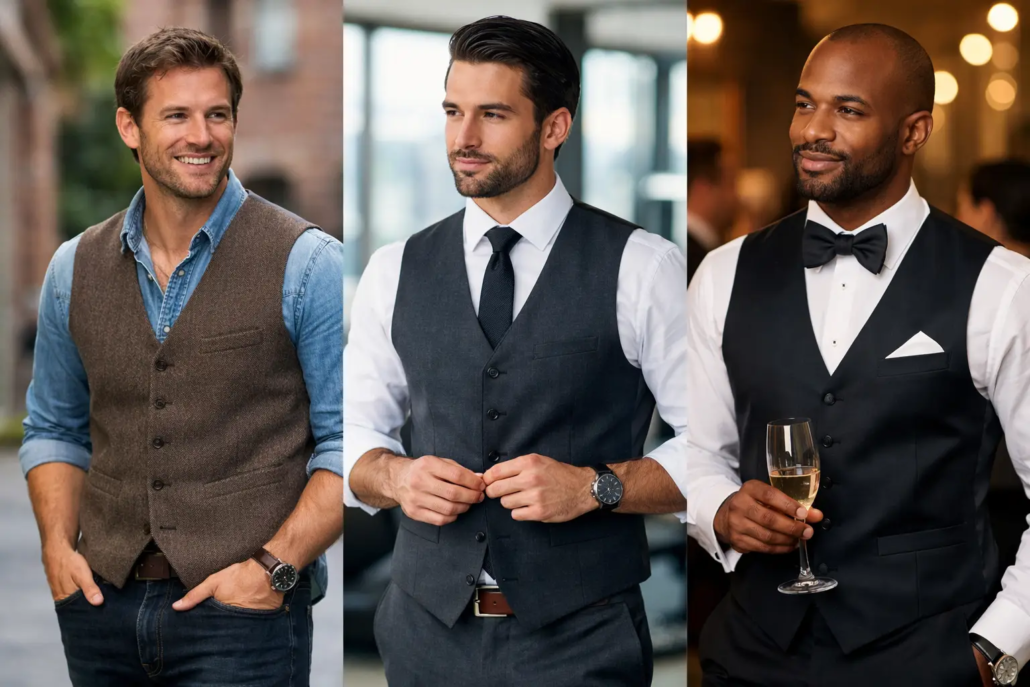
A vest can make a standard shirt-and-trouser outfit look intentional in about five minutes. The key to knowing how to style men’s vests is treating the vest as part of the outfit’s structure, not as an extra layer you throw on at the last second. A well-fitted vest sharpens your silhouette, gives your tie a clean backdrop, and helps you look dressed for the occasion without needing a full suit every time.
For most dressy outfits, the vest in question is a waistcoat: a tailored, button-front piece worn over a dress shirt. It can be part of a three-piece suit, paired with contrasting trousers, or used to elevate business-casual separates. The best choice depends on where you are going, how formal the event is, and whether you want the vest to blend in or stand out.
Start With the Right Vest Fit
Fit comes before color, pattern, or accessories. A vest should sit close to the body without pulling across the buttons. If the fabric strains or forms horizontal lines at the chest or waist, move up a size. If it hangs away from your shirt or bunches around the armholes, it is too loose.
The shoulder seams should lie flat, and the armholes should be high enough to keep the vest looking trim without restricting movement. The bottom edge should cover your waistband, so no strip of shirt shows between the vest and trousers when you stand normally. This matters even more at weddings, church, and formal events, where photos tend to catch every small detail.
Most traditional vests have an adjustable strap at the back. Use it for a small refinement, not to force a vest that is the wrong size to fit. A tailored front and smooth back create a cleaner result than an overly tightened strap.
With a five- or six-button waistcoat, leave the bottom button undone. This classic rule gives the vest a natural line when you sit and move. It is a style convention rather than a requirement for every uniform or costume, but it is the right call for nearly all modern business and occasion wear.
How to Style Men’s Vests With Dress Shirts
A crisp dress shirt is the easiest starting point. White is the most versatile option because it works with nearly every vest color, from charcoal and navy to tan, burgundy, and patterned styles. Light blue is another dependable choice for work, especially with gray, navy, or brown vests.
Keep the collar and sleeve length appropriate for the accessories you plan to wear. A spread or point collar works well with a standard necktie, while a clean, structured collar also gives a bow tie the support it needs. The cuffs should extend slightly beyond a suit jacket sleeve if you are wearing one, but they should still look neat when the jacket comes off.
For a more relaxed look, pair a solid vest with a subtle gingham, stripe, or small-check shirt. Keep one element quiet. A bold plaid shirt and a bold vest can work, but it takes confidence and a careful eye for scale. If the shirt pattern is large, choose a solid vest. If the vest has texture or a small pattern, use a simpler shirt.
Choose a Tie or Bow Tie That Belongs in the Outfit
A vest creates a natural frame for neckwear, which is why a tie often looks especially sharp with one. For the office, a silk tie in navy, burgundy, forest green, or a restrained pattern is an easy match with gray or navy vests. Let the tie provide a touch of contrast rather than competing with every other piece.
At a wedding, the vest can be a coordination piece. Groomsmen may wear matching vests with ties in the wedding color, while the groom can set himself apart with a different tie texture, a bow tie, or a pocket square. A black vest with a white shirt and black bow tie is a dependable formal combination, but softer neutrals such as tan, sage, dusty blue, and burgundy can feel more personal for daytime or rustic venues.
Tie width matters. A slim tie pairs best with a slim-cut vest and narrower lapels. A traditional-width tie is better with a classic vest, fuller suit, or broader body type. The goal is balance. When the tie looks too narrow for the vest, or the vest looks too fitted for the rest of the outfit, the proportions feel off even if each item looks good on its own.
Wear a Vest With a Suit or Without One
A matching vest, jacket, and trousers make a three-piece suit. This is the most polished way to wear a vest for a formal wedding, important presentation, gala, or special celebration. Choose a matching vest when you want a streamlined appearance and the event calls for a full suit.
One practical benefit of a three-piece suit is that you still look put together after removing your jacket. At a reception or warm indoor event, the vest keeps the outfit formal while allowing you to move more comfortably. Just make sure the vest is cut from the same fabric as the suit. A near-match in navy or gray often looks accidental rather than coordinated.
A contrasting vest is more flexible for business casual and smart-casual occasions. Try a charcoal vest with navy trousers, a navy vest with gray trousers, or a brown tweed vest with dark denim and a light blue shirt. This approach has more personality, but it should still look deliberate. The trousers should be dressy enough to support the vest, and the colors should share a similar level of formality.
If you skip the jacket, pay closer attention to your shirt fit. The sleeves, collar, and shoulder line are fully visible, so a baggy shirt can undo the tailored effect of the vest. Rolling sleeves can work for a casual outdoor celebration or a relaxed evening event, but it is not the choice for a formal ceremony or conservative workplace.
Build Looks Around the Occasion
For professional wear, a navy or gray vest with matching or complementary trousers is hard to beat. Add a white or light blue shirt, a classic tie, and polished leather shoes. This combination reads capable and prepared without looking overly formal in an office where a full suit is not expected every day.
For weddings, begin with the dress code and the role you are playing. Guests can wear a vest with dress trousers, a clean shirt, and a tie when the invitation suggests cocktail or semi-formal attire. Grooms and groomsmen should coordinate vest color, tie style, and accessories before ordering individually. A consistent look matters in group photos, and small differences in shade can show up clearly.
For church, dinner, graduation, or a family celebration, a vest is a strong middle ground between a sport coat and a simple button-down. A solid vest, dark chinos or dress trousers, leather belt, and loafers or lace-up shoes look polished without feeling stiff. Choose darker colors for evening events and richer fall or winter fabrics such as wool blends or tweed when the weather supports them.
Finish the Outfit With Purpose
Your belt and shoes should generally be in the same color family. Brown leather shoes and a brown belt work with navy, gray, tan, and many earth-toned vests. Black shoes and belt are the natural choice for black, charcoal, or more formal evening looks.
A pocket square is only needed when you are wearing a jacket. If you do wear one, it should complement the tie rather than match it exactly. A white linen pocket square is always a safe option. Tie bars, cuff links, and dress socks can add personality, but choose one or two finishing details instead of making every accessory the focal point.
At Tie One On, coordinating a vest, tie, bow tie, and pocket square is easier when you start with the event’s color palette and build outward. The best outfit is rarely the loudest one. It is the one where the fit is right, the colors make sense together, and you feel comfortable enough to wear it with confidence.
A men’s vest earns its place in your closet because it solves a common problem: you want to look sharper than casual, but a full suit is not always necessary. Start with a versatile gray, navy, or black option, wear it with pieces that fit well, and let the occasion guide the final details.


Leave a Reply
Want to join the discussion?Feel free to contribute!