

Best Ties for Wedding Guests
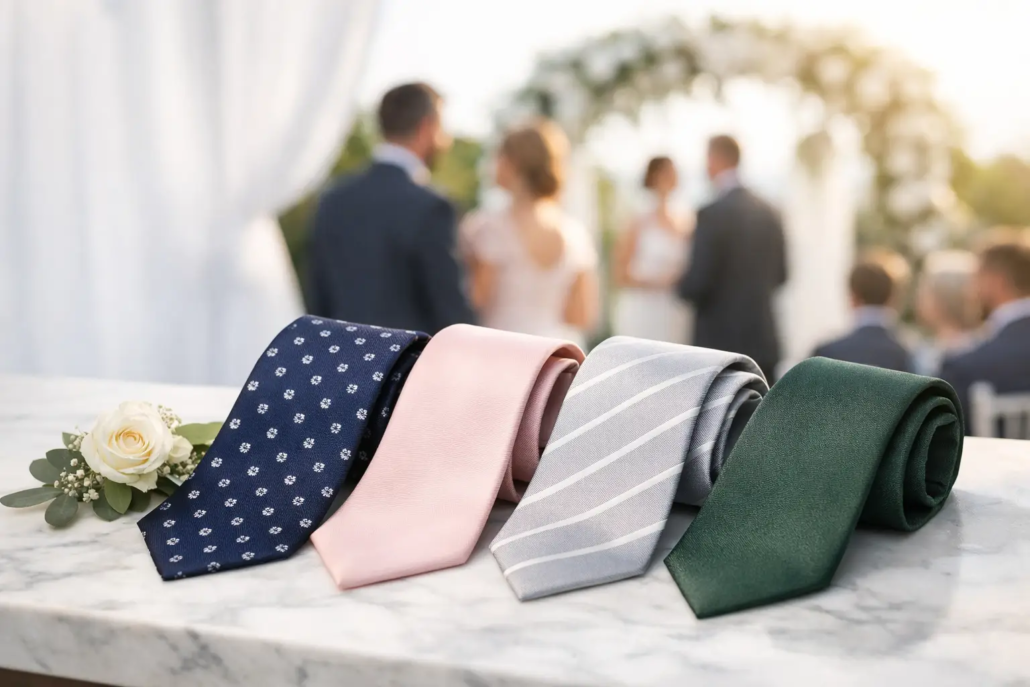
You can tell when a wedding guest got the tie right. The suit looks intentional, the shirt and tie work together, and nothing feels louder than the occasion itself. That is the sweet spot when you are shopping for the best ties for wedding guests – polished, appropriate, and confident without looking like you are trying to outshine the groom.
A wedding tie is not just about picking a nice color. It has to fit the formality of the event, the season, the time of day, and the overall tone the couple has set. A black-tie evening wedding asks for something very different than a spring garden ceremony or a laid-back outdoor celebration. The good news is that getting it right is usually less about chasing trends and more about choosing the tie that matches the moment.
What makes the best ties for wedding guests?
The best choice usually comes down to balance. You want a tie that adds personality, but still respects the event. For most guests, that means staying away from anything too flashy, too novelty-driven, or too close to wedding-party territory if the couple has clearly chosen a signature color.
Fabric matters right away. Silk remains the most dependable option because it carries a polished finish and works across a wide range of dress codes. A matte woven tie can feel slightly more relaxed and modern, while a satin finish reads more formal. Cotton, linen, and knit ties can work well too, but they make the most sense at daytime, warm-weather, or more casual weddings.
Width matters more than some shoppers expect. A classic tie width is the safest move for a wedding because it works with most suit lapels and photographs well. Skinny ties can look sharp on the right frame and with a slimmer suit, but they also lean more fashion-forward. If you want a tie you can wear again for work, church, or another special event, traditional proportions usually give you the most versatility.
Match the tie to the dress code first
If the invitation says black tie, the answer is straightforward. A black bow tie with a tuxedo is the proper move. That is not the time to experiment with bright colors or playful patterns.
If the wedding is formal or cocktail attire, a long silk tie in a rich solid, subtle stripe, or understated pattern is usually the strongest option. Think navy, burgundy, dark green, silver, or a refined floral or geometric print that does not pull focus. These ties look polished under evening lighting and hold up well in photos.
Semi-formal and dressy casual weddings open up the range. This is where guests can wear lighter colors, softer textures, and more seasonal patterns. A textured blue tie, a muted pink, a sage green, or a tasteful floral can all look right depending on the setting. The key is still restraint. Wedding guest style should feel put together, not loud.
For beach, barn, garden, or outdoor weddings, the tie can relax a little. Linen blends, cotton ties, and lighter silk weaves make sense here. You do not need a high-shine formal tie at a daytime wedding in July. In fact, it may look out of place.
Best tie colors for wedding guests
Color is where most men hesitate, but a few reliable categories make shopping much easier.
Navy is one of the safest and most useful wedding tie colors you can own. It works in every season, pairs well with gray, charcoal, and tan suits, and feels dressy without being stiff. If you want one tie that can cover multiple weddings and still earn regular use afterward, navy is hard to beat.
Burgundy is another strong choice, especially for evening weddings, fall celebrations, and formal venues. It has depth, it flatters most shirt and suit combinations, and it feels festive without looking flashy.
Sage, dusty blue, blush, lavender, and soft green are excellent for spring and summer weddings. These shades photograph well and fit the lighter mood of daytime events. They also coordinate naturally with popular seasonal wedding palettes, but you should still avoid looking too coordinated with the groomsmen if the wedding party colors are obvious.
Silver and gray ties are dependable when you want something dressy and neutral. They work especially well with navy and black suits, and they fit a wide range of venues. The trade-off is that some silver ties can look a little flat if the fabric is too shiny or too thin, so texture helps.
Black ties can work, but they need context. At a formal evening wedding, black can look sleek and appropriate. At a cheerful daytime ceremony, it can read too heavy. This is one of those cases where the venue and dress code matter more than the tie by itself.
Pattern or solid?
A solid tie is the easiest way to look clean and well-dressed. It creates fewer chances for clashing with your shirt, suit, or pocket square, and it almost always feels wedding-appropriate. If you are unsure, start there.
Patterns can absolutely work for wedding guests, but scale and subtlety matter. Small florals, neat geometrics, understated paisleys, and simple stripes can add personality without taking over the outfit. A busy oversized print is much harder to pull off, especially if the rest of your look already has texture or contrast.
There is also the shirt factor. If you are wearing a patterned dress shirt, a solid tie is usually the smarter choice. If your shirt is crisp and plain, you have more freedom to bring in pattern through the tie. The best-looking combinations feel intentional, not crowded.
Seasonal picks that make sense
Spring weddings are where pastel tones, soft florals, and lighter silks really shine. A pale blue tie with a gray suit and white shirt is a classic guest look because it feels fresh without trying too hard. Soft pink, lilac, and green can work just as well.
Summer weddings usually call for lighter colors and more breathable texture. This is a great time for cotton, linen-blend, or lighter-weight silk ties. If the wedding is outdoors, a heavy, glossy tie can feel mismatched. A softer finish tends to look more natural.
Fall weddings are made for richer color. Burgundy, rust, forest green, copper, and deeper navy all feel right at home. Textured silks and woven patterns also come into their own here because they add warmth and depth.
Winter weddings support the most formal look of the year. Darker tones, refined patterns, and classic silk ties are usually the best fit. Deep plum, charcoal, black, and jewel tones can all look sharp when paired with darker suiting.
Choosing a tie that works with your suit
Your tie should not be chosen in isolation. A navy suit gives you the most flexibility and works with nearly every wedding-ready tie color, from burgundy and silver to soft pink and sage. A gray suit is just as versatile, though lighter grays tend to pair best with softer or brighter seasonal tones.
A black suit is trickier. It can look very sharp at formal weddings, but for daytime or casual weddings it can feel too severe. If you are wearing black, choose a tie with enough richness or texture to soften the look a little.
Tan and light neutral suits naturally lean spring and summer. They pair well with blue, green, rose, and floral patterns. Heavy dark ties can fight against that lighter feel unless the wedding is more formal than the suit suggests.
A few mistakes worth avoiding
The biggest mistake is dressing like part of the wedding party when you are not. If the bridesmaids are clearly in one signature shade, it is smart to avoid that exact color in your tie unless you know the couple wants coordinated guests.
Novelty ties are another easy no for most weddings. Even if the event is relaxed, a wedding is still a special occasion. You want style, not a punchline.
It is also worth paying attention to condition. A beautiful tie will not help if it is wrinkled, stained, or has a poor knot. Clean fabric, a proper length, and a balanced knot do more for your overall look than chasing some complicated trend.
The most dependable wedding guest tie choices
If you want options that rarely miss, start with a silk navy tie, a burgundy tie, and one seasonally lighter choice such as sage, blush, or dusty blue. Add a subtle patterned tie if you attend weddings often and want more variety. That small rotation covers a lot of ground and gives you polished options for formal, semi-formal, and outdoor events without overspending.
This is where shopping from a specialist helps. A store that focuses on men’s formal accessories usually gives you better range in widths, lengths, fabrics, and occasion-ready colors than a general apparel retailer. Tie One On has built its reputation around that kind of selection, which makes it easier to find a tie that fits both the dress code and your budget.
The best wedding guest tie is the one that looks like you understood the assignment. It should fit the season, respect the couple’s event, and help you feel put together the minute you button your jacket. When the color is right, the fabric suits the setting, and the knot sits clean at the collar, the rest of your outfit tends to fall into place.

 Tie One On
Leave a Reply
Want to join the discussion?Feel free to contribute!