

Men’s Dress Shirt Collar Guide for Every Look
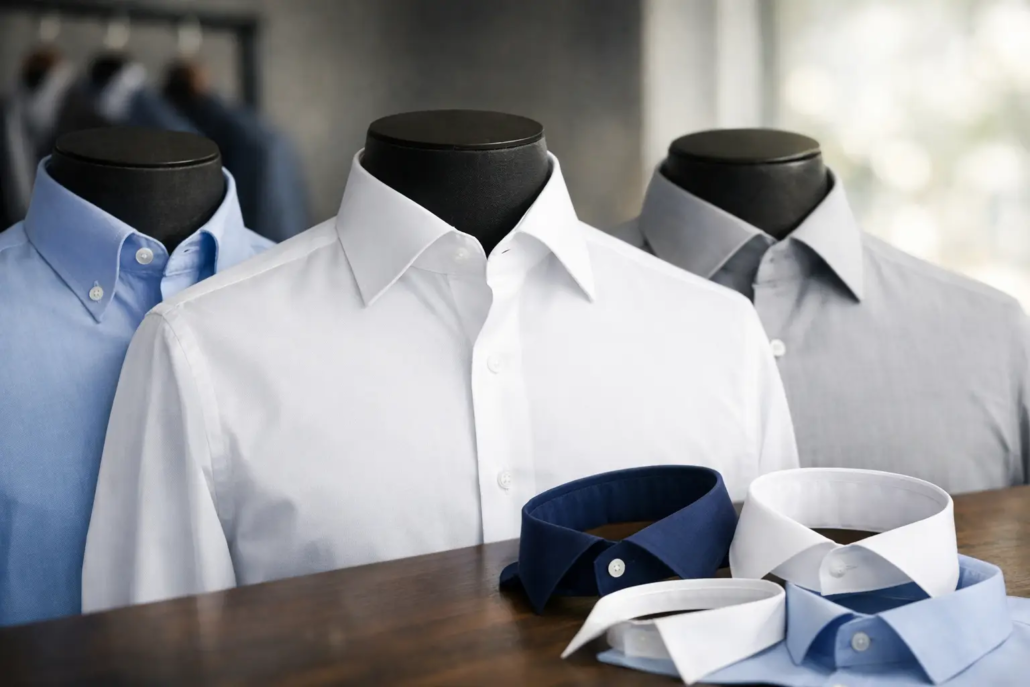
A great tie can only do so much if the collar behind it is working against the outfit. A collar that is too narrow can make a wide tie knot look crowded; one that is too open can leave a slim knot looking lost. This men’s dress shirt collar guide makes the choice simple, whether you are getting dressed for the office, choosing wedding attire, or building a more dependable rotation of dress shirts.
The right collar is not about chasing a trend. It is about proportion, occasion, and the way you like to wear your tie. Start with the collar style, then match your knot, jacket, and level of formality around it.
Start With Collar Spread
A collar’s “spread” is the distance between its two points. That small detail determines how much room you have for a tie knot and how formal or relaxed the shirt reads. Before choosing a shirt, think about whether you will usually wear it with a tie, bow tie, or open at the neck.
A narrower spread generally favors smaller knots and a clean, traditional look. A wider spread welcomes more substantial knots and tends to feel more modern or formal. Neither is automatically better. The goal is to make the collar, knot, and your face look balanced together.
Your face shape can be a useful guide, but it is not a rulebook. Men with rounder faces often like the visual length of a point collar, while men with longer or narrower faces may prefer the horizontal balance of a spread collar. Try on a few styles if you can. The collar should frame your face, not become the first thing people notice.
The Main Men’s Dress Shirt Collar Styles
Point collar
The point collar is the dependable classic. Its points sit closer together than those of a spread collar, creating a crisp, vertical line that works especially well in conservative offices, church, interviews, and formal family events.
Pair it with a four-in-hand knot or a small half-Windsor. Both sit neatly inside the narrower opening without pushing the collar points apart. A point collar also looks sharp worn open with a blazer, making it one of the easiest choices for a first white or light-blue dress shirt.
The trade-off is simple: very large tie knots can look cramped here. If you prefer a full Windsor or thicker silk ties, choose a collar with more room.
Semi-spread collar
A semi-spread collar lands in the sweet spot between traditional and contemporary. It is versatile enough for most workplaces, weddings, date nights, and dressy celebrations, which makes it an excellent everyday choice for men who want one shirt to handle several occasions.
This collar works with a four-in-hand, half-Windsor, or a modest full Windsor, depending on the weight of the tie. It also gives you more freedom with tie patterns. A solid silk tie, a small-scale print, or a coordinated tie and pocket square set can all sit naturally against a semi-spread collar.
If you are unsure where to begin, this is often the safest answer. It looks polished without feeling stiff and formal without looking overly corporate.
Spread collar
A spread collar has a noticeably wider opening between the points. It is a strong choice for business suits, weddings, and occasions where you want a more intentional, tailored look. The wider shape creates space for a fuller knot and looks especially good under a jacket with broader lapels.
A half-Windsor is a natural match, while a full Windsor can work well when the shirt fabric is not too thick and the collar points are long enough to sit neatly over the knot. The key is restraint. A huge knot in a very wide collar can look bulky rather than refined.
Spread collars can be worn without a tie, too, but they tend to look best when the shirt fits well through the neck and shoulders. An oversized shirt with an open spread collar can quickly look sloppy. Get the fit right, and the style feels confident and clean.
Cutaway collar
The cutaway collar takes the spread collar further, with points angled dramatically outward. It has a fashion-forward, European-inspired look and is designed for larger tie knots. This is the collar to consider when you want your tie to be part of the statement rather than merely a finishing touch.
Wear it with a well-formed half-Windsor or full Windsor and a suit that has some structure. For a wedding, gala, or sharp business event, a cutaway collar can look exceptional with a rich solid tie or subtle patterned silk. It is less forgiving of a loose, undersized knot, so take an extra minute to shape the knot and tighten it at the neck.
Because the collar is bold, balance the rest of the outfit. A clean suit, a properly sized tie, and simple cuff links will usually serve you better than piling on too many attention-grabbing accessories.
Button-down collar
A button-down collar has small buttons that fasten the collar points to the shirt. It began as a practical sport-shirt detail and remains a classic choice for business casual outfits, relaxed offices, casual weddings, and weekend events.
The button-down is not usually the first pick for black-tie or very formal attire. It is, however, one of the most useful collars for a man who wears dress shirts with chinos, sweaters, sport coats, or jeans. Leave it open for an easy, put-together look, or wear it with a slim four-in-hand knot when the occasion calls for a tie.
One rule helps this style look its best: keep the buttons fastened. Unbuttoned collar points defeat the purpose and can make an otherwise polished outfit feel unfinished.
Band collar
A band collar, sometimes called a mandarin collar, has no fold-over points. Instead, it stands neatly around the neck. It is a clean alternative for warm-weather events, creative workplaces, destination weddings, or anyone who wants a dressier shirt without wearing a tie.
Since there is no collar opening for a knot, skip the necktie and bow tie. Let the shirt do the work. A band-collar shirt pairs well with a tailored jacket, vest, or suspenders, but it can also look refined on its own when the fit is trim and the fabric has enough quality to hold its shape.
Match Your Collar to the Tie Knot
The easiest way to avoid a mismatched outfit is to choose the shirt collar and tie knot as a pair. Narrow point collars favor the compact four-in-hand. Semi-spread collars handle almost every popular knot, making them ideal when you own ties in different fabrics and widths. Spread and cutaway collars give the half-Windsor and full Windsor the room they need.
Tie width matters as well. A traditional-width tie usually balances a standard point or semi-spread collar nicely. Slim ties tend to work best with narrower collars and smaller knots. With a wider spread collar, a very skinny tie can look out of proportion, especially under a suit with substantial lapels.
For bow ties, collar shape matters less than shirt formality. A classic spread or point collar can work for many weddings and celebrations. For tuxedo-level formality, a wing collar is the traditional choice, though a crisp spread collar is a common and practical option for modern black-tie dressing.
Fit Makes Every Collar Look Better
Even the best collar style cannot rescue a poor shirt fit. Your neckband should sit comfortably when buttoned, with room for one finger but not enough room to sag. If the collar is too tight, the knot will bunch and the shirt will pull. If it is too loose, the collar can gap around the neck and make a tie look disconnected from the shirt.
Pay attention to collar point length, too. Longer points create a more traditional appearance and often sit better beneath a jacket. Shorter points can feel cleaner and more contemporary, but they may look small next to wide lapels or a large tie knot.
Finally, use collar stays when the shirt has them. They keep the points flat, improve the line of the collar, and make an affordable dress shirt look more polished. Remove plastic stays before washing and choose metal or removable stays when you want a firmer shape.
Choose by Occasion, Then Make It Your Own
For interviews, conservative offices, and formal services, a point or semi-spread collar in white, light blue, or a subtle pattern is hard to beat. For weddings and dressier celebrations, a semi-spread, spread, or cutaway collar gives you more room to coordinate a tie, pocket square, vest, and cuff links. For business casual and everyday wear, a button-down collar earns its place because it looks finished with or without a tie.
A shirt collar is a small detail with a major effect on the whole outfit. Build around the style that fits your most common occasions, then add variety as your wardrobe grows. At Tie One On, the goal is always the same: make it easier to put together a look that feels right, fits well, and helps you show up with signature style.


Leave a Reply
Want to join the discussion?Feel free to contribute!