

Men’s Tie Trends 2026: What Looks Sharp Now
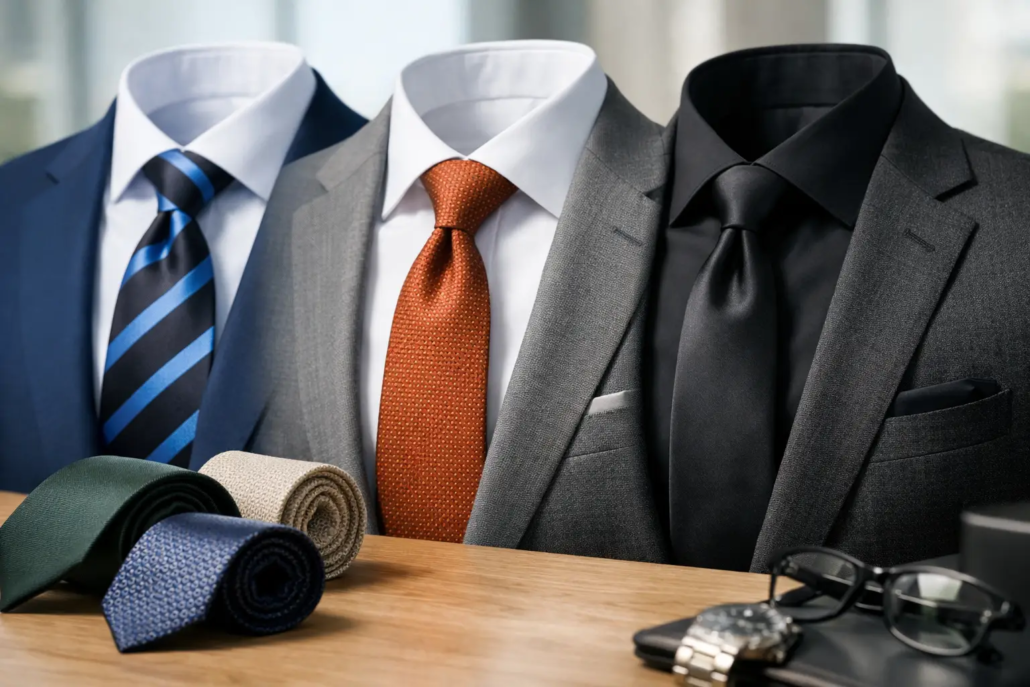
A tie can change the whole read of a suit before you say a word. The right one makes a dependable navy suit feel current, gives a wedding look personality, or brings intention to a dress shirt you already own. Mens tie trends 2026 are less about one must-have novelty and more about choosing texture, proportion, and color with purpose.
For most men, that is good news. You do not need to replace every tie in the closet. A few well-chosen additions can make work outfits, church attire, celebrations, and formal events feel more polished without pushing into costume territory.
Men’s Tie Trends 2026 Favor Texture and Presence
The clean, ultra-minimal tie still has its place, especially for interviews, conservative offices, and formal ceremonies. But the strongest direction for 2026 is more tactile. Think woven silk, grenadine-style texture, subtle ribbing, knit finishes, and fabrics with visible depth. These ties catch light differently than a flat, shiny satin and add interest without demanding attention.
Texture is especially useful when the rest of the outfit is simple. A charcoal suit, white shirt, and deep burgundy textured tie look considered because each piece has a distinct role. The same idea works with navy, forest green, brown, and muted blue ties. They bring dimension to solid shirts and suits while remaining easy to wear repeatedly.
Shine is the trade-off. A smooth satin tie can be exactly right for a black-tie-adjacent wedding, prom, evening banquet, or highly formal event. For everyday professional wear, though, a matte or lightly textured silk generally feels more current and more versatile. If you are buying one tie to cover several occasions, texture often gives you more mileage.
Rich, grounded colors lead the way
The best colors are confident but wearable. Deep wine, oxblood, evergreen, tobacco brown, midnight blue, slate, plum, and warm rust all work well in 2026. They feel substantial beside the classic colors already in most wardrobes – navy, gray, black, and white.
Brown is worth a second look. Once treated as an afterthought in business clothing, brown ties now offer an easy alternative to navy or red. A chocolate, cinnamon, or copper-brown tie looks especially sharp with light blue shirts, cream shirts, navy suits, and medium gray tailoring. It is relaxed enough for daytime but polished enough for a reception or dinner event.
That does not mean bright color is out. Clear blues, true reds, and energetic pinks still have a place, particularly for spring weddings, school events, and statement-making professional looks. The difference is balance. Pair a brighter tie with a simple shirt and a quieter suit rather than stacking bold color, loud pattern, and high shine all at once.
Tie Width Is Becoming More Personal
The old rule that one width suits every man and every outfit never held up particularly well. In 2026, the better approach is proportion. A traditional tie around 3 to 3.25 inches remains the most flexible choice for many men. It works with standard lapels, fuller builds, classic suits, and nearly every formal occasion.
Slim ties continue to make sense with narrower lapels, trimmer suits, and younger, fashion-forward outfits. They can look excellent at a school dance, contemporary wedding, or creative workplace. But an extremely skinny tie can make a broad-chested man or a traditional suit look out of balance. If your suit has wider lapels, give the tie enough width to hold its own.
Extra-long ties deserve more attention, too. A tall man should not have to settle for a knot that sits too high or a blade that ends halfway up the waistband. The tip of a properly tied tie should reach the belt line or waistband area. Extra length makes that possible while leaving enough fabric for a well-shaped knot.
For a practical tie collection, start with a classic-width navy or burgundy option, then add a slimmer or more textured style if it fits your usual tailoring. Fit is not just about the jacket. It is about the whole vertical line from collar to belt.
Patterns Are More Refined, Not More Boring
Pattern is returning with restraint. The strongest choices are designs that look interesting up close and organized from a few feet away. Small geometrics, neat florals, tonal paisleys, herringbone-inspired weaves, pin dots, and classic stripes all fit the moment.
Tonal patterns are particularly easy to wear. A navy tie with a slightly lighter blue geometric detail has personality, but it will not compete with a checked suit or patterned pocket square. A dark green paisley can offer the same flexibility. These are smart options for men who usually wear solids but want their accessories to do a little more work.
Stripes remain a professional standby, especially in blue, burgundy, gray, and green combinations. They are a dependable choice for office wear, interviews, presentations, and formal church attire. The key is to consider direction and scale. A bold, wide stripe creates more visual contrast; a fine stripe reads more classic and understated.
Florals are no longer reserved only for spring ceremonies. A small-scale floral tie in navy, burgundy, olive, or black can work year-round. For a wedding party, floral patterns are an easy way to bring in a seasonal color without putting every groomsman in the exact same look. Keep the shirt solid, and let the tie carry the pattern.
Know when novelty belongs
Novelty ties are still part of a well-rounded accessory drawer, but occasion matters. A subtle sports, hobby, holiday, or conversation print can be perfect for a themed party, classroom, family gathering, or gift. It is less likely to be the right choice for a job interview, a formal wedding, or a client presentation.
The goal is not to remove personality. It is to match it to the room. A great tie should make you feel appropriately dressed, not distracted by your own outfit.
Wedding Ties Are Coordinated, Not Identical
Wedding style in 2026 is moving away from the idea that every member of the wedding party must wear the same tie in the same fabric and shade. Coordinated color families are often more natural and more flattering in photos. For example, the groom might wear a textured ivory or deep green tie while groomsmen wear complementary sage, olive, or patterned green options.
This works particularly well when different people need different lengths or prefer different silhouettes. Traditional ties, bow ties, and even suspenders can live in the same wedding palette when the colors and fabrics are planned thoughtfully. A tie and pocket square set can simplify the process, but avoid matching every detail too perfectly. A pocket square should coordinate with the tie, not look like it was cut from the same piece of fabric.
For formal evening weddings, black, black-on-black texture, deep navy, dark burgundy, and elegant silver remain dependable. For outdoor and daytime events, consider sage, dusty blue, terracotta, warm gold, soft pink, or floral accents. Season matters, but the venue and dress code matter more.
Build a Tie Rotation That Actually Gets Worn
Trends are most useful when they help you buy smarter. Instead of collecting ties that only work once, build around dependable styles and add personality where it counts. A strong rotation usually includes a few solid or textured ties for professional settings, a couple of tasteful patterns, and occasion-specific options for weddings, holidays, or celebrations.
A navy textured tie is one of the hardest-working choices you can own. Add burgundy or wine for warmth, dark green for variety, and a stripe or small geometric for pattern. From there, select one lighter or brighter option for spring and summer events, plus a bow tie if black-tie, formal receptions, or themed occasions come up regularly.
Pay attention to the details that make the tie look intentional. A properly sized collar, a clean dimple beneath the knot, and a tie bar placed between the third and fourth shirt buttons can elevate even an affordable outfit. Tie bars should never extend wider than the tie itself. If you wear a vest or waistcoat, the tie bar is optional, since the vest will cover most of it.
Choosing the Right Trend for the Occasion
For work, favor textured solids, restrained stripes, and small patterns in navy, burgundy, gray, green, and brown. For weddings, use the event palette as a starting point, then choose a fabric and pattern that fit the level of formality. For church, celebrations, and family photos, a polished floral, paisley, or seasonal color can add character without feeling overdone.
If you need a tie quickly, do not let trend language complicate the decision. Start with your suit color and shirt color, then choose a tie that adds contrast. A navy suit and white shirt can handle nearly any color. A patterned shirt calls for a solid or subtly textured tie. A bold suit or jacket usually needs a quieter tie.
The best tie trend is the one that makes getting dressed easier and helps you show up with confidence. Choose a color you will wear again, a width that suits your frame and jacket, and enough texture or pattern to give the outfit a signature of its own.


Leave a Reply
Want to join the discussion?Feel free to contribute!