

Silk Ties Versus Polyester: Which Wins?
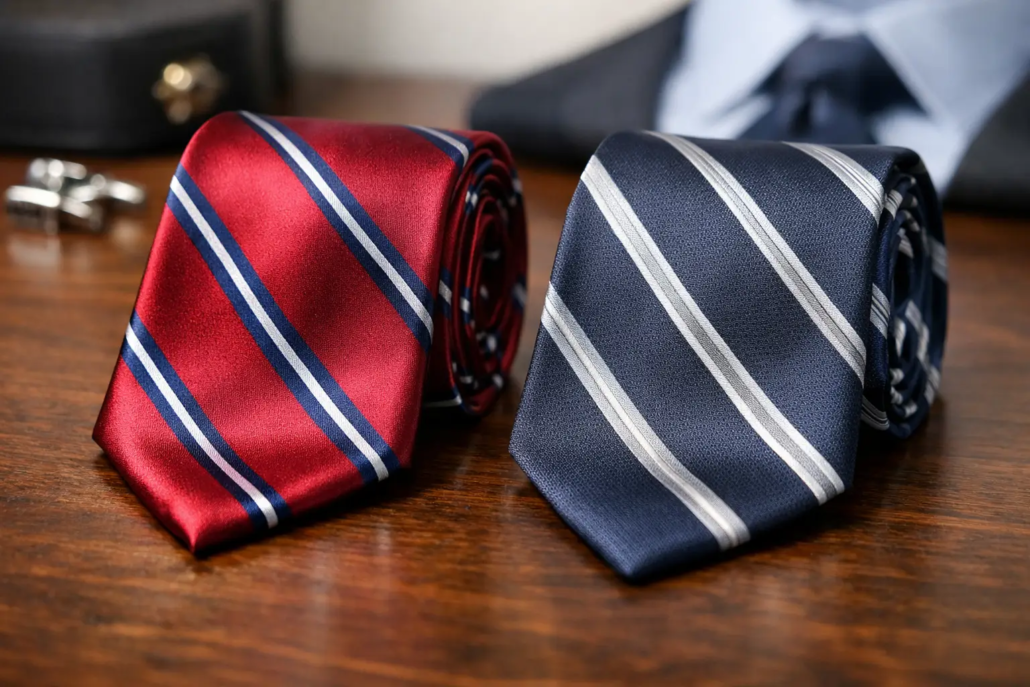
A tie can look great on the rack and still fall flat once it is knotted. That is usually where the real difference in silk ties versus polyester shows up – in the feel, the drape, the knot, and how the tie holds its shape through a full day of wear.
If you are shopping for a wedding, refreshing your office rotation, or picking up an affordable gift, fabric matters more than most people expect. The good news is that this is not a simple good-versus-bad decision. Both silk and polyester ties have a place. The right choice depends on how often you will wear it, what kind of finish you want, and how much flexibility you need from your budget.
Silk ties versus polyester: what actually changes?
At a glance, many ties can look similar online. Once you handle them, the differences become clearer. Silk is a natural fiber with a softer hand, richer texture, and a more refined drape. Polyester is synthetic, usually more budget-friendly, and often chosen for durability and easy care.
That difference affects more than touch. It changes how light hits the fabric, how the knot forms under your collar, and whether the tie feels dressed up enough for a black-tie-adjacent wedding or polished enough for weekly office wear.
Silk usually has a more elegant luster. It reflects light in a way that feels subtle and upscale rather than glossy. Polyester can range from matte to shiny depending on the weave, but lower-end polyester tends to have a brighter, more artificial sheen. That may be perfectly fine for some occasions, especially if price and color matching are the top priorities. But if you want a tie that reads premium at first glance, silk often has the edge.
Why silk is still the standard for dress ties
There is a reason silk has stayed popular for generations. It looks polished without trying too hard. A good silk tie knots cleanly, hangs nicely, and carries patterns well, whether you prefer solids, stripes, paisleys, or small neat prints.
For weddings, business meetings, church, and formal events, silk usually gives the most elevated result. It has enough body to create a full knot, but enough softness to avoid looking stiff. That balance matters when you want your tie to complement a dress shirt and jacket rather than fight them.
Silk also tends to deliver more depth in color. Navy looks deeper, burgundy looks richer, and classic neutrals feel more refined. If you are coordinating with pocket squares, vests, or accessories, that extra depth can make the whole look feel more intentional.
The trade-off is care and cost. Silk is more delicate than polyester. It does not love rough handling, repeated stain exposure, or being stuffed into a gym bag after an event. It also costs more. If you are building a wardrobe slowly and want a few standout ties for important occasions, that investment often makes sense. If you need several ties for frequent rotation on a tighter budget, silk may not be the most practical place to start.
Where polyester makes a lot of sense
Polyester ties do not get enough credit. For many shoppers, they are the smarter buy.
If you need a tie for daily wear, a school event, a church assignment, a youth performance, or a coordinated wedding party, polyester can be a strong option. It is generally more resistant to wrinkles, easier to replace, and more forgiving when ties are handled by kids, packed for travel, or worn often.
Polyester also works well when color consistency matters. Large event groups often need matching ties across multiple sizes or styles, and synthetic fabrics can be easier to source in dependable color runs. If you are buying for groomsmen, choir groups, hospitality staff, or a bulk order, polyester may offer the flexibility you need without stretching the budget.
Another plus is value. A solid polyester tie can still look sharp, especially in classic colors and cleaner weaves. Not every occasion calls for luxury texture. Sometimes you simply need a neat, dependable tie that looks good in photos and holds up through the event.
The main limitation is that polyester usually does not drape as naturally as silk. Some versions feel stiffer, and some shiny finishes can read less refined up close. That does not mean polyester looks cheap by default. It means quality matters. A well-made polyester tie can outperform a poorly made silk tie every time.
Which fabric is better for work?
For professional wear, it depends on your schedule and your dress code.
If you wear ties a few times a month and want each one to make a strong impression, silk is hard to beat. It pairs beautifully with dress shirts and sport coats, and it gives you that polished finish that works in client meetings, presentations, and formal office settings.
If you wear ties several days a week, polyester can be a practical workhorse. It gives you more room to build variety into your rotation without spending heavily on every color and pattern. Many men do best with a mix – a few silk ties for key meetings and special events, plus dependable polyester options for regular office use.
This is often the sweet spot. You do not need every tie to be premium if the occasion does not demand it. You need the right tie for the day.
Silk ties versus polyester for weddings and special events
Weddings are where fabric questions come up fast. The groom may want something elevated. The groomsmen may need something affordable. Parents may want ties for boys that look coordinated but can survive the reception.
Silk is usually the stronger choice for the groom, fathers, and anyone in a featured role. It photographs well, catches light nicely, and adds a dressier feel without being flashy. For close-up moments, silk tends to reward the camera.
Polyester is often the practical winner for larger groups. It keeps costs manageable and makes matching easier, especially if you need multiple sizes, bow ties, or extra pieces on short notice. For one-day wear, that convenience matters.
If the event is formal and the budget allows, silk can elevate the whole party. If the priority is clean coordination at an accessible price, polyester earns its place. Neither choice is wrong. The event, the headcount, and the budget usually decide the answer.
How to spot quality in either fabric
Fabric is important, but construction still matters. A tie should feel balanced in the hand, not paper-thin or overly stiff. The blade should hang straight. The stitching should be neat. The knot should form cleanly without looking bulky or twisted.
With silk, watch for smooth texture, refined shine, and enough body to hold a shape. With polyester, watch for overly slick finishes or excessive shine, which can make the tie look less polished. A better weave and stronger interlining can make a big difference.
Pattern choice matters too. Classic stripes, small geometric prints, textured solids, and neat dots tend to look stronger across both materials than overly loud novelty finishes. If you want the fabric to look more expensive, choose timeless patterns and confident colors.
So which one should you buy?
If you want the best look and feel for important occasions, buy silk. It is the stronger choice for weddings, formal events, gifting, and those moments when presentation matters most.
If you want dependable style, lower cost, and easier everyday wear, buy polyester. It is especially useful for frequent use, younger wearers, coordinated groups, and budget-conscious shopping.
For most men, the smartest wardrobe is not all one or the other. It is a balanced tie rack. Keep a few silk ties ready for the days when you want extra polish. Keep several polyester ties on hand for flexibility, travel, and regular rotation. That approach gives you more options and better value over time.
At Tie One On, that is how we think about it. The best tie is not the one with the fanciest label. It is the one that fits the occasion, works with your wardrobe, and helps you look put together without overpaying for the job.
When you are deciding between silk and polyester, start with where the tie is going to be worn. A boardroom, a wedding aisle, a Sunday service, and a school concert do not all ask for the same thing. Choose the fabric that matches the moment, and the rest of your look gets easier.



Leave a Reply
Want to join the discussion?Feel free to contribute!